Miami Home Painters Who Transform Every Space
MIAMI HOME PAINTERS WHO MASTER EVERY CHALLENGE
Most homes in Miami-Dade and Broward are concrete block construction finished in stucco, which behaves very differently from the wood-frame siding common up north - it cracks along different lines, holds moisture longer after rain, and needs a coating system that can flex rather than one that simply seals the surface. Our residential work is built around that reality, whether the job is a full exterior repaint or a single interior room. Our comprehensive residential services include:
- Interior Home Painting - Complete room transformations using premium paints and materials
- Exterior Home Painting - Weather-resistant coatings for Florida's climate
- Condo & Multi-Unit Residences - Specialized services with HOA compliance
- Wallpaper application, removal and surface preparation
We also handle the prep work that surrounds a paint job but rarely gets mentioned upfront - patching drywall, re-caulking trim, and stripping failed coatings before a new one goes on, since skipping those steps is the most common reason a repaint looks tired again within a year or two.
Common Conditions We Find During Residential Estimates
A typical walkthrough turns up a fairly consistent set of issues, whether the job is one room or the whole house:
- Hairline stucco cracking around window corners and additions
- Caulking that has shrunk or pulled away from trim and baseboards
- Mildew staining in bathrooms and other spots without good ventilation
- Nail pops and drywall seams that telegraph through older paint
- Chalking or fading on exterior walls with direct afternoon sun
- Cabinet doors with grease buildup or a peeling factory finish
Common Painting Mistakes We See
A few mistakes come up often enough on repaint jobs that they're worth flagging, whether you hire us or someone else:
- Painting over stucco that hasn't fully dried after pressure washing, which traps moisture under the new coat
- Skipping caulking replacement and painting over gaps that reopen within months
- Painting over mildew instead of treating it first, which lets it bleed back through the new coat
- Using a coating formulated for drier climates that doesn't account for South Florida's humidity
- Rushing surface preparation to get to the visible part of the job faster
When a Full Repaint May Not Be Necessary
Sometimes only one room or wall actually needs attention - a bathroom ceiling with isolated mildew from poor ventilation, a hallway scuffed at shoulder height, or a single exterior elevation that gets the most afternoon sun. In those cases, a full-house repaint isn't the most useful thing to spend money on. We'll say so during the estimate rather than scoping a bigger job than the property actually needs.
TYPES OF RESIDENTIAL PAINTING WE SPECIALIZE IN

House Interior painting
Minimize Disruption & Maximize Results
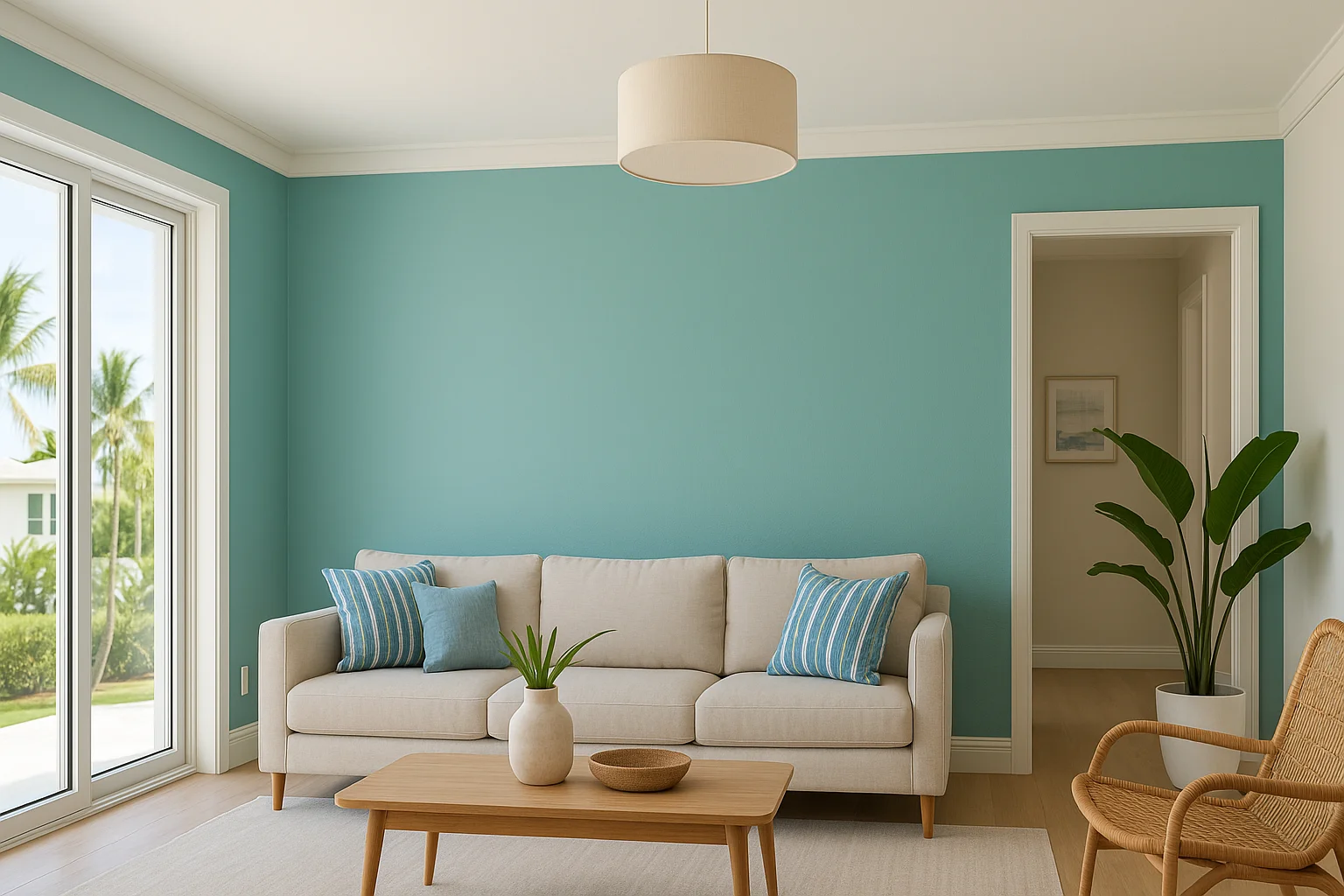
Interior work in an occupied home means working around furniture, kids, and pets, not just walls. We section off and cover rooms before sanding or cutting in a single edge, and we lean on low-VOC formulas for occupied spaces so the smell clears faster and the house stays livable while coats dry. Drywall gets patched and sanded smooth before primer goes on - painting over an unrepaired seam or nail pop just telegraphs the flaw through the new coat.
House Exterior
Hurricane-Ready & Aesthetically Superior
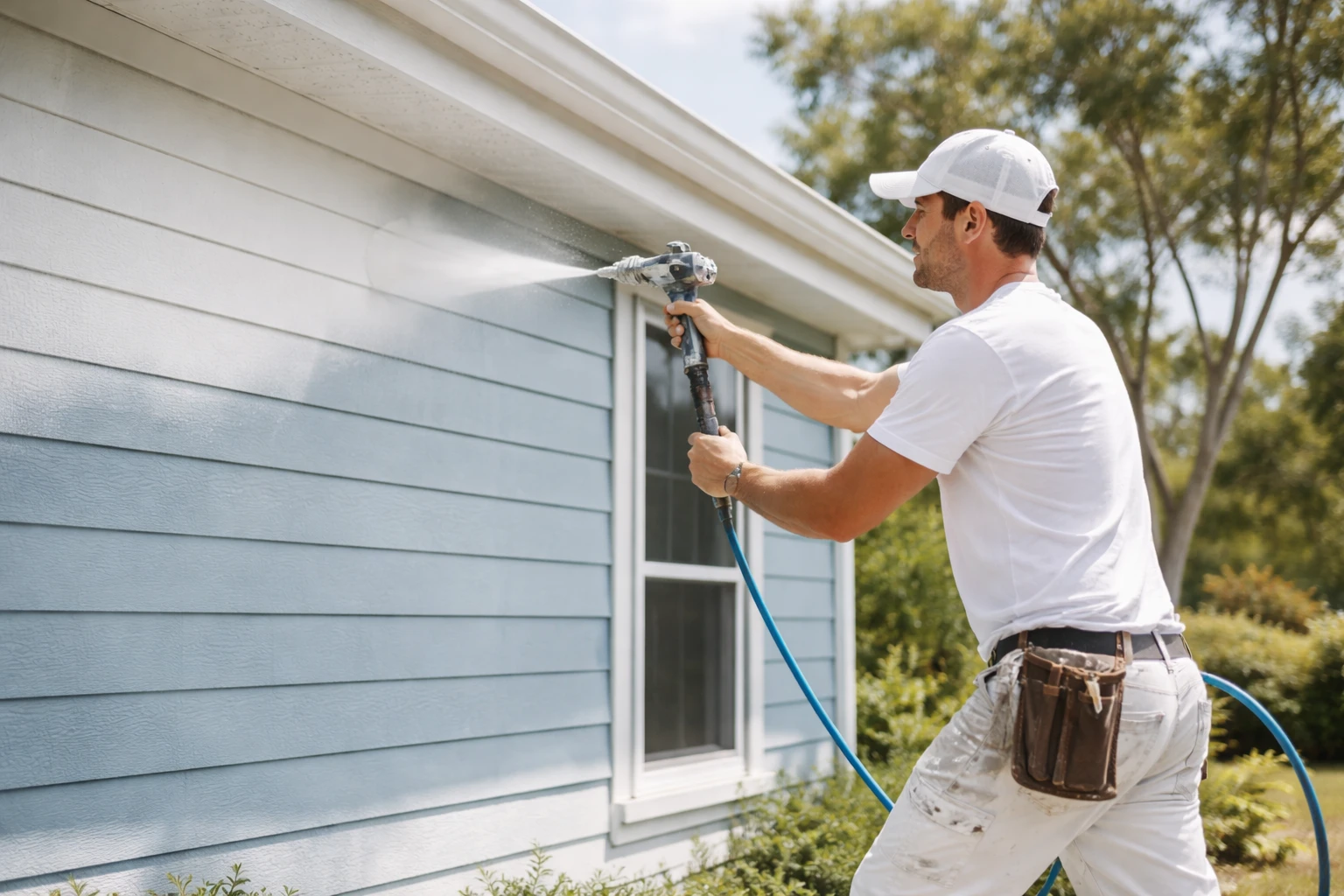
Miami's exterior painting demands more than just good looks - it requires protection against hurricanes, salt air, and year-round UV exposure. Our expertise includes specialized equipment for safe multi-story work and premium weather-resistant paints.
Condos & Apartments
HOA-Compliant & Board-Approved Quality
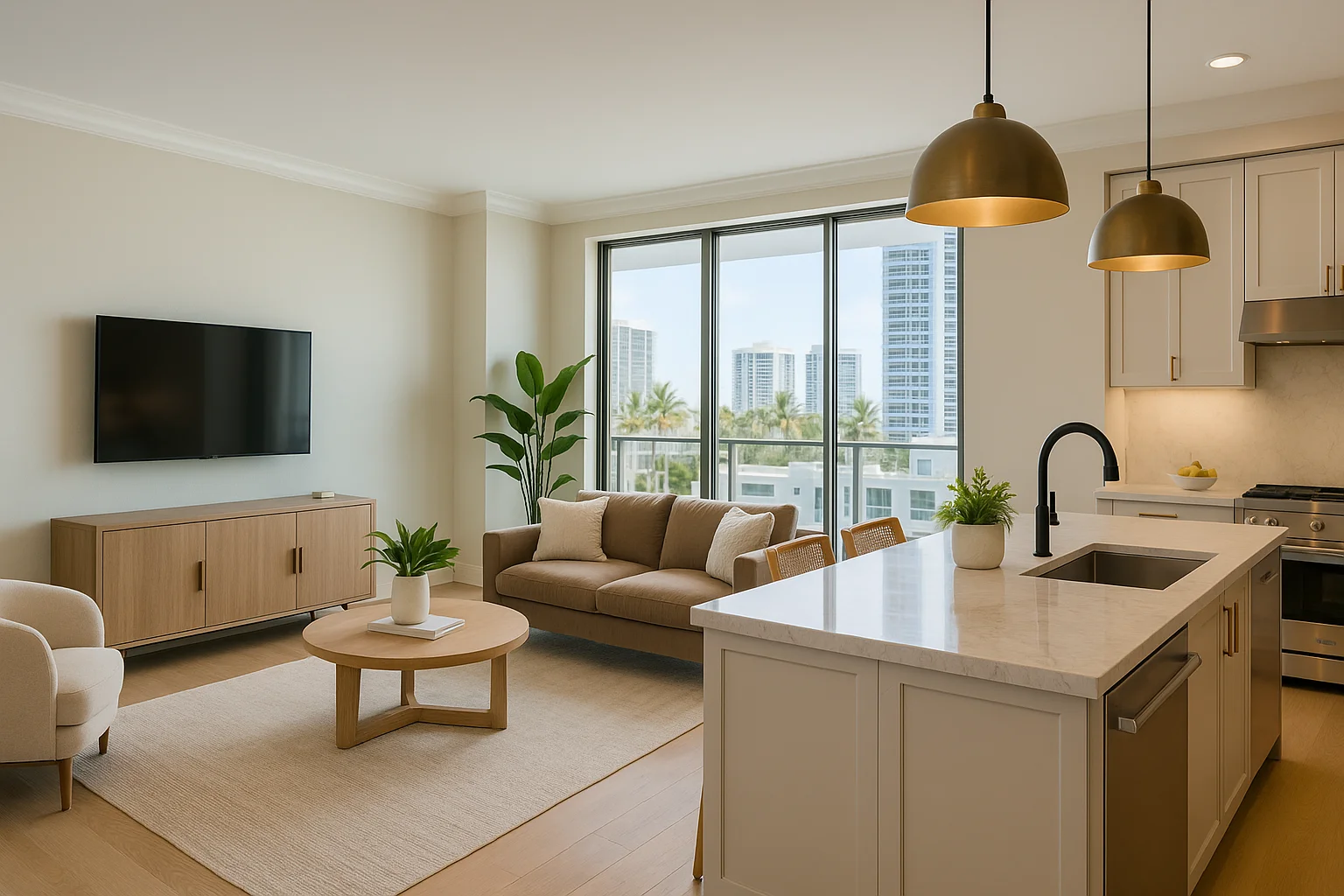
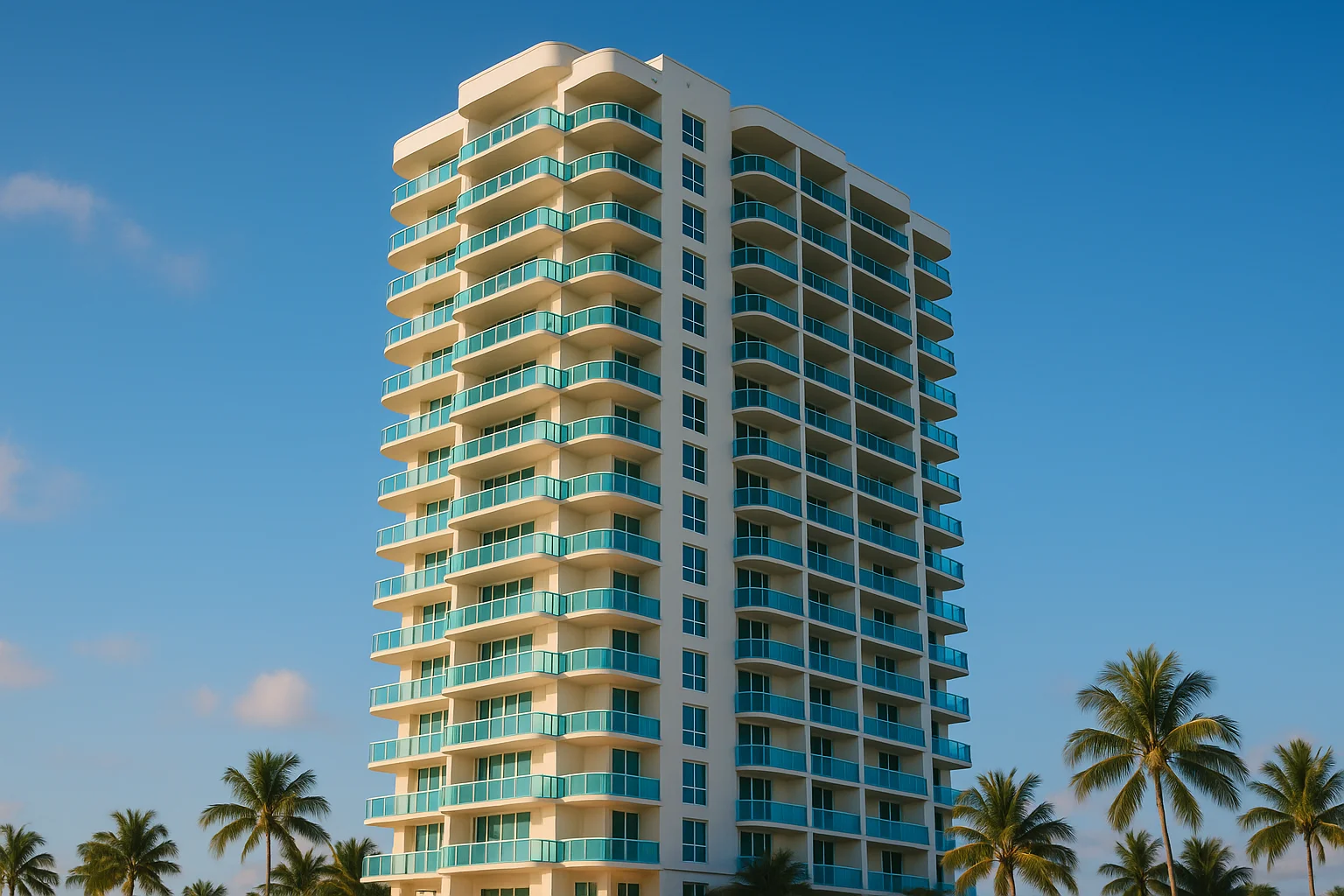
We specialize in interior painting for Miami condominiums and apartment buildings - from common areas and shared spaces to individual units and private residences. We understand HOA requirements and work seamlessly with property management to ensure a smooth, compliant process.
HOME AREAS WE CAN PAINT WITH EASE
We can paint any type of room, surface, or area both inside and out of your home. The most popular types of residential painting jobs we get asked about in Miami and South Florida are:
Interior Home Areas
- •Living Areas
- •Bedroom Painting
- •Bathroom Painting
- •Kitchen + Cabinet Painting
- •Basement Painting
- •Ceilings
- •Trim & Crown Molding
- •Interior Doors and Window casings
- •Closet Painting
- •Dining Room
- •Home Office / Den
- •Nurseries
- •Hallways
- •Foyers / Entrances
- •Drywall repair, patching and plastering
- •Staircases
- •Garage floor coating
Exterior Home Areas
- •Home Exterior Surface Painting
- •Deck Painting & Staining
- •Fence Painting & Staining
- •Porch Painting & Staining
- •Exterior Door Painting, Staining, Trim & Casings
- •Garage Door Painting, Staining, Trim & Casings
- •Exterior Pressure-washing
OUR SPECIALTY SERVICES BEYOND HOME PAINTING
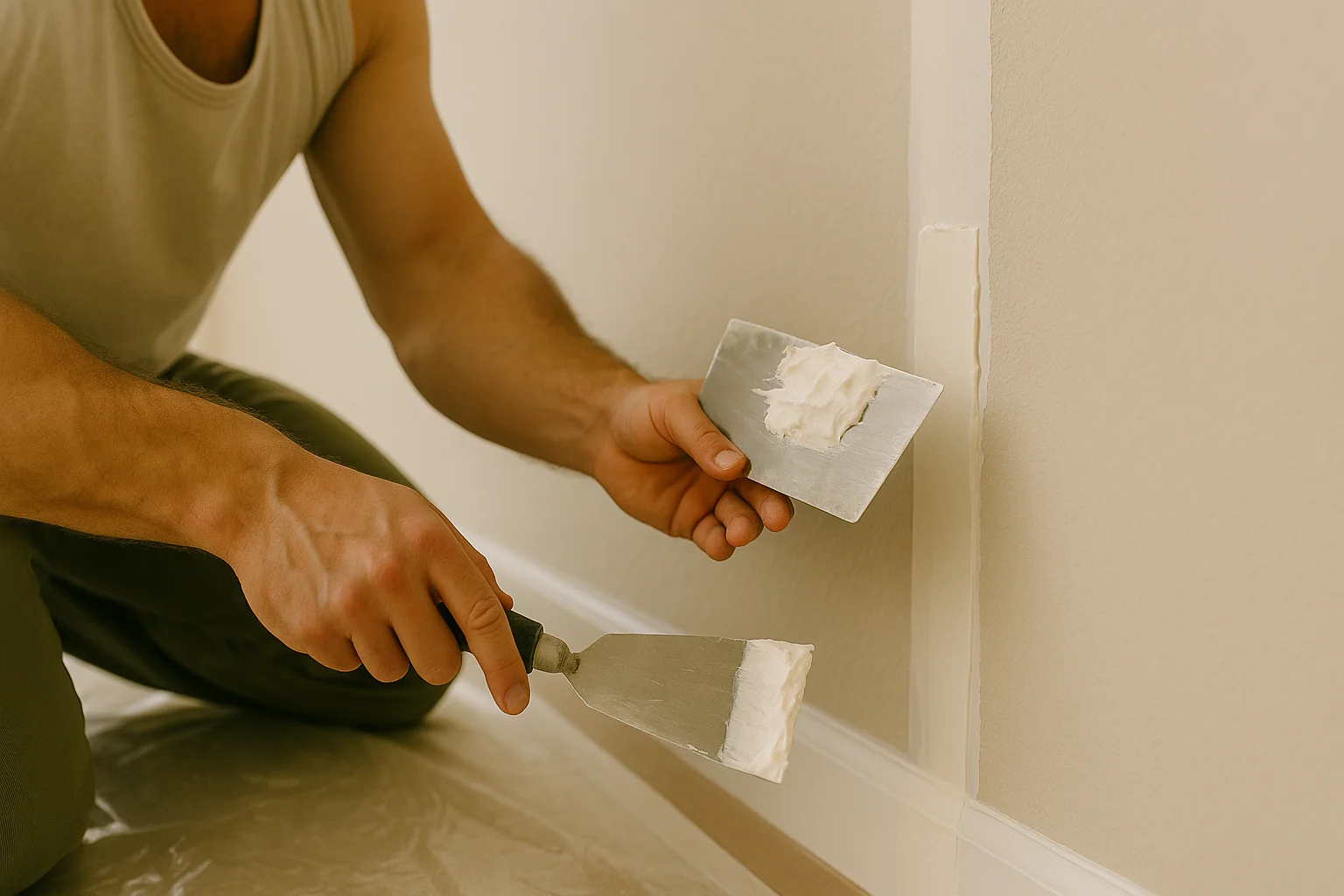
Drywall Patching, Taping, Repair
If any of your walls have cracks, breaks, holes or are just in relatively bad shape, let us tape, patch, repair, and smooth them out before we paint to give the final finish of your walls the best look possible.
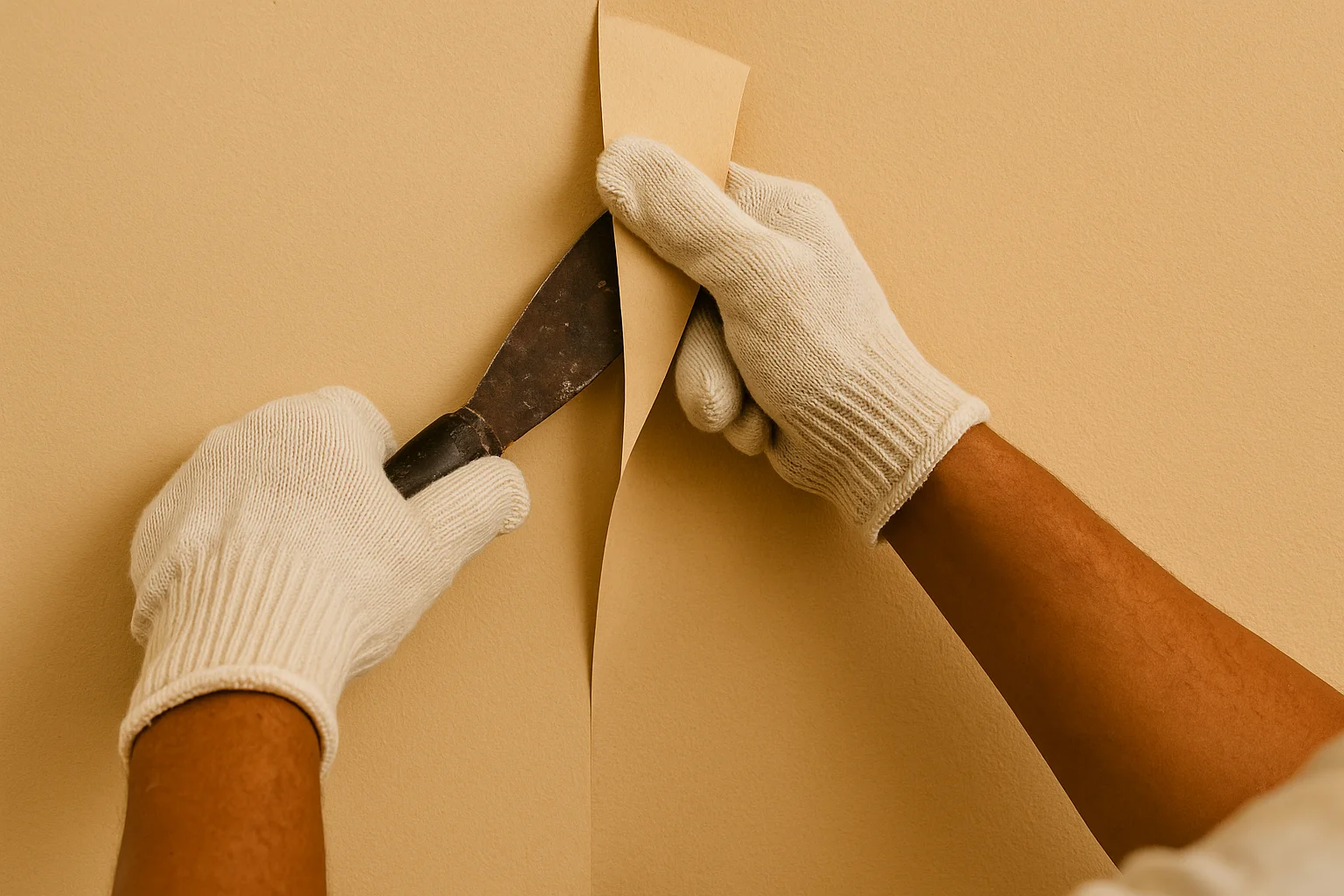
Wallpaper Removal
Have rooms with outdated, old, peeling, or fading wallpaper that you want gone? Wallpaper removal can be an incredibly daunting process - especially if you do not have the professional-grade equipment needed to remove it. Let us take care of that for you!

Interior Caulking
Often, small cracks are created in key areas of the home like kitchen countertops, baseboards, and trim that need to be repaired with proper caulking. We can help you with that before or after painting to give you the best possible final result you are looking for.
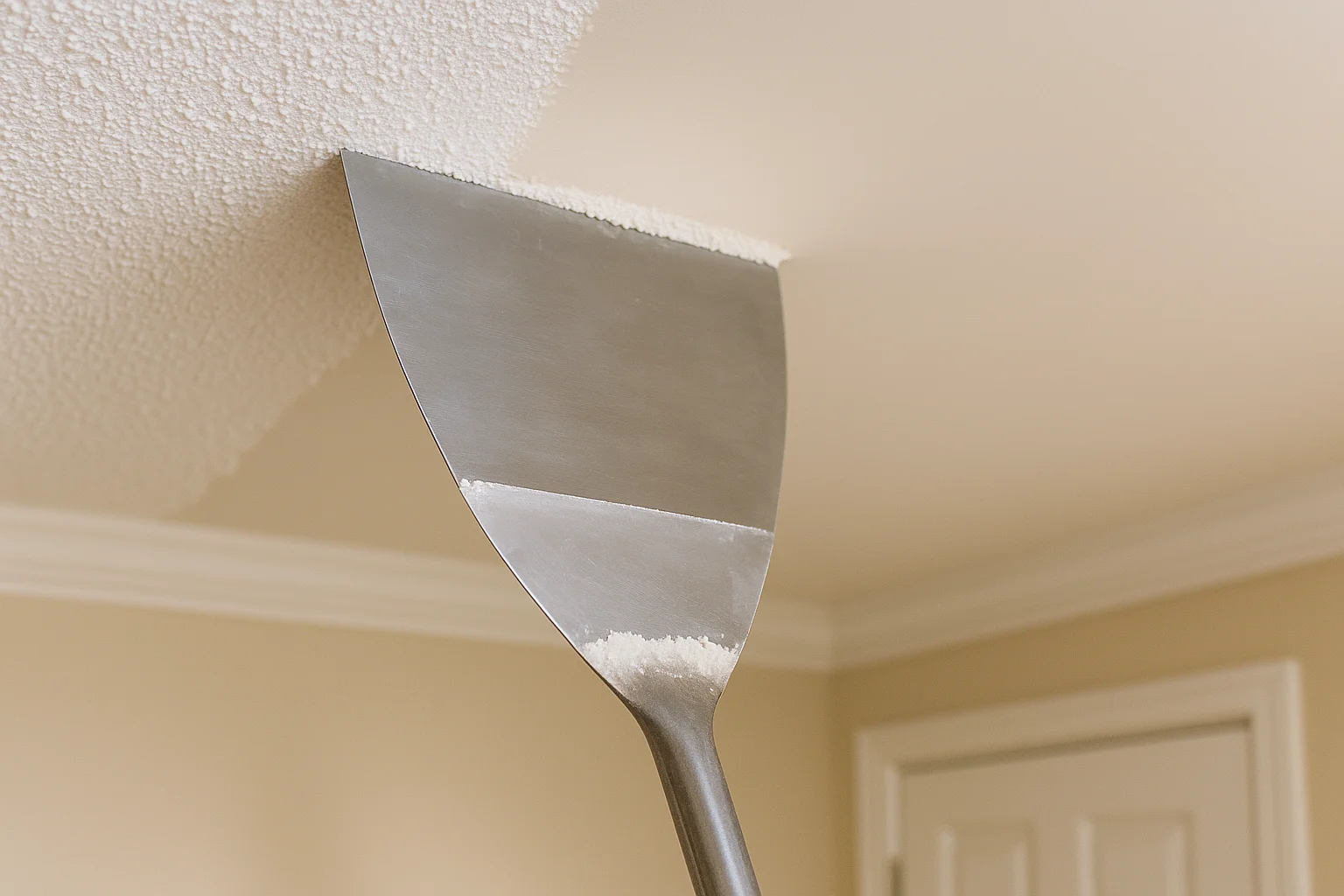
Interior & Exterior Stucco Painting
Stucco moves with humidity and temperature, which is why hairline cracks show up even on well-built homes. Painting over them without repair just means the crack telegraphs through the new coat within a season. We fill and seal cracks first, then apply a coating with enough flexibility to move with the substrate instead of cracking again at the same spot.
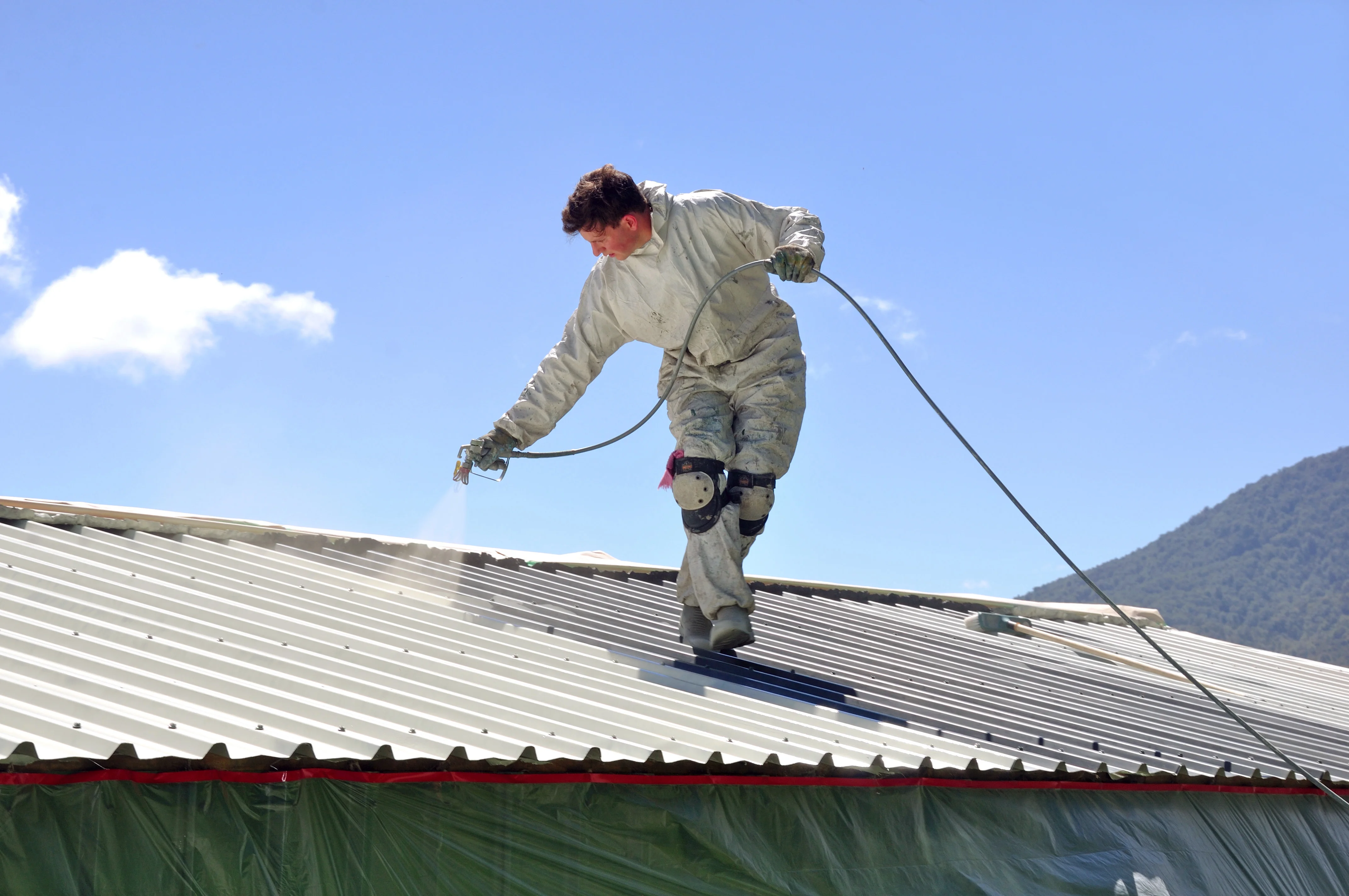
Steel and Aluminium surface coating
If the outside of your home, garage, roof or shed is made of steel or aluminium, this can create a challenge as special paint and techniques are needed for this particular type of surface. Let us know what kind of look you are going for, and we can make it happen.
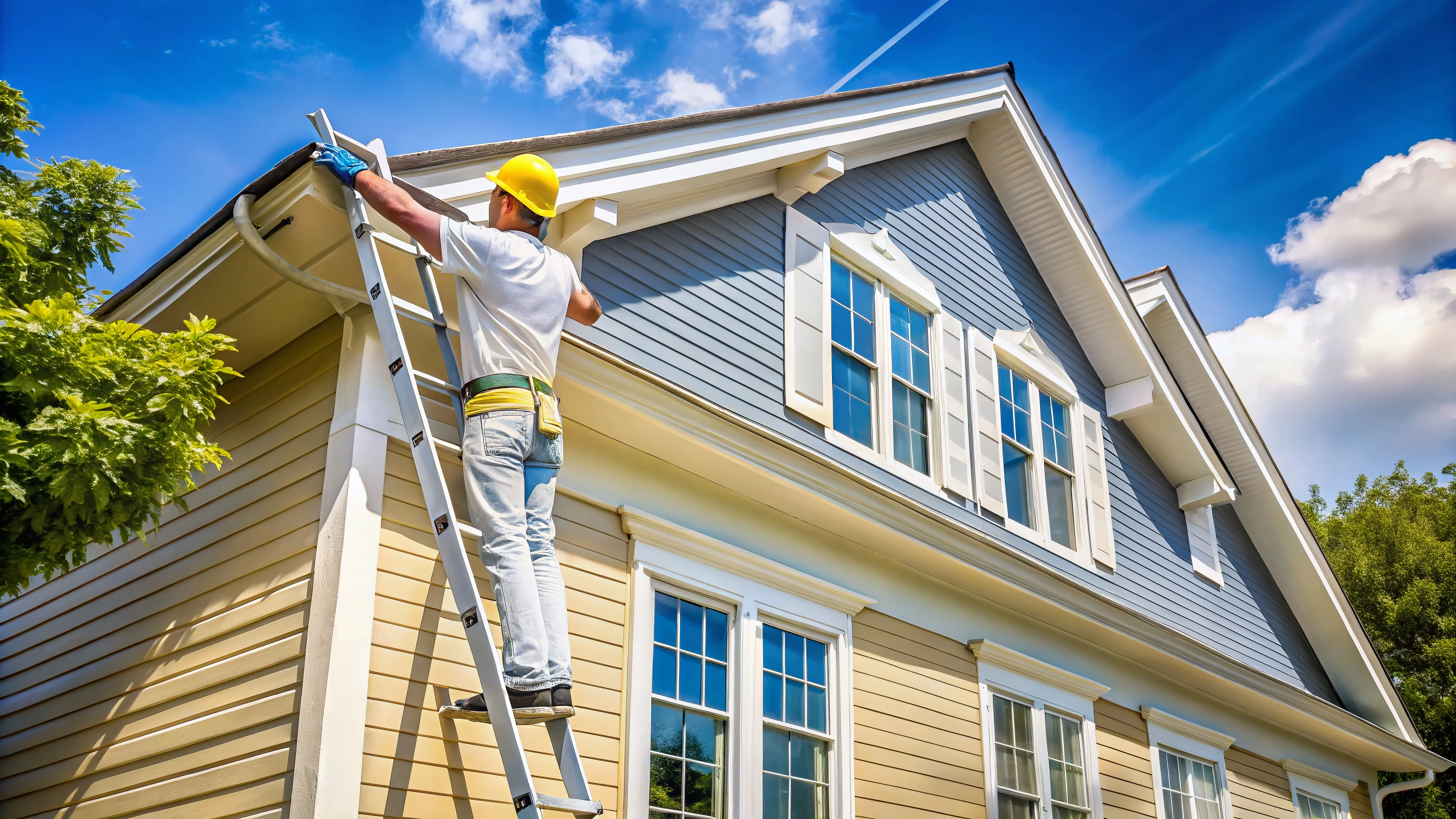
Vinyl Siding & Window Painting
Do not put the burden on yourself of climbing up the side of your house while trying to leave perfectly straight, clean, and nice-looking painting lines on your vinyl siding or window trim. Let us take care of that for you!
HOW TO KNOW YOU ARE CHOOSING THE BEST MIAMI HOUSE PAINTERS
A Quote Based on a Walkthrough, Not a Phone Call
A price given over the phone without seeing the property usually doesn't account for stucco cracks, old caulking, or how many coats a color change will actually need to cover. In South Florida, surface condition varies enormously between a home that's been repainted every five years and one that hasn't seen fresh coating in over a decade - and that difference should show up in the number, not as a surprise once the crew arrives.
Product Recommendations Tied to Your Property, Not a Default
A block home a few blocks inland and a canal-front property with direct salt spray shouldn't get the same paint system, even if they're the same age and construction type. Sun exposure, distance from the water, and existing coating condition all affect which primer and topcoat combination actually holds up, and a contractor who recommends the same product for every job usually hasn't accounted for that.
Pricing Based on Scope, Not a Flat Rate
A number that doesn't change no matter what's found once prep work starts usually means either the original quote padded in a buffer, or the difference gets added back later as a change order. We price based on what the surface actually needs - crack repair, caulking, number of coats to cover a color change - so the number you agree to up front is the number on the final invoice.
Equipment Suited to South Florida Homes Specifically
Two-story homes, tile roofs, and tight side setbacks between houses are common enough here that a crew needs the right ladders, lifts, and sprayers to reach every surface safely without cutting corners on coverage. If a contractor can't explain what equipment your specific property will require, that's usually a sign they haven't looked closely at the job yet.
WHY TRIUMPH PAINTERS IS THE BEST CHOICE FOR RESIDENTIAL PAINTING
Insurance That Covers Work Inside an Occupied Home
Painting inside a lived-in house means ladders near furniture, drop cloths over flooring, and crews working around your daily routine. Our liability coverage is sized for that reality, and we'll provide documentation before the first day on site if your homeowners' association or property manager asks for it.
A Price Built Around Your Home's Condition
Two homes of the same square footage can need very different amounts of work depending on how much stucco repair, drywall patching, or old-coating removal they need first. We price the job around what your property actually needs rather than a flat rate that ignores condition.
Years of Residential Work Across This Climate
Twelve-plus years of residential jobs across Miami-Dade and Broward means we've seen how different paint lines actually age on stucco, block, and wood trim in this humidity - not just how they perform on a manufacturer's spec sheet.
Areas We Serve
Based in Sunny Isles Beach, we serve the full span of Miami-Dade and Broward counties - from Fort Lauderdale and Hollywood in the north through Aventura and Miami, down to Richmond Heights, South Miami Heights and Cutler Bay in south Miami-Dade.
Related Reading
Wondering what to budget? Read our guide to current pricing.
WHAT IS INVOLVED IN THE PAINTING PROCESS FOR RESIDENTIAL?
There are typically 5 stages to painting residential homes:
Cleaning & Preparing Surfaces
Any surface being painted - inside or outside - needs to be cleaned properly to remove dust, dirt, mildew, pollen, loose paint, or anything else that is going to leave your painted surface less than perfect. This helps the paint adhere to the surface better, and is especially important for outdoor surfaces that often get dirtier than interior spaces.
Repair Any Damaged Areas
If any cracks, taping, patching, or repairs on walls are needed, caulking trim and baseboards, wallpaper removal, or any other type of preparation required, this is the time to do it. It is important to make sure all surfaces are ready for the paint, which can also include priming the surfaces for the paint to adhere better.
Painting the Trim/Siding Areas
Many interior surfaces like baseboards, trim, or crown molding, or exterior surfaces like siding and trim can often be painted first to get the detail work out of the way, or utilise sprayers and other tools to help the work go faster.
Painting the Walls/Bulk Area
Once all the prep and detail work is out of the way, you can proceed to painting the main surface areas like the ceilings, inside/outside walls, staining brick, and so on, usually with rollers or sometimes with sprayers.
Touchups and Finishing Touches
At the final stage, a detailed inspection is performed to review all painted surfaces, precise touch-ups are completed where needed, and all tools and materials are removed. The space is then thoroughly cleaned, ensuring a polished, finished result before project closeout.
7 COMMON FAQS WE ARE ASKED AS HOUSE PAINTERS IN MIAMI
What is the typical residential painting cost per square foot in Miami?+
On average, interior and exterior residential painting in Miami and South Florida costs about $3-$7 per square foot. This means a total project costs can usually range somewhere between $3000-$10000 in general, but can be as little as $400-$900 for a small room, or $1000-$1400 for a larger room.
The costs depend heavily on the size, amount of prep work and repairs involved (stucco cracks, old caulking, and coating removal all add labor), and whether any specialty equipment is needed for the project. The best way to get an accurate estimate for your work is to provide as much information about the space as possible upfront or request a free on-site estimate.
Are Triumph Painters insured for residential painting jobs?+
Yes, we are 100% insured for comprehensive liability coverage for residential painting projects, so you can rest assured that even though accidents or problems are very unlikely to come from our team, you are covered no matter what.
Who buys the paint, and how do I choose my colour?+
This is up to you. Typically the painter will bring their own paint, but you can choose the colour and provide it to us upfront. We use top-quality paint products and are happy to provide it for the job, but if you wanted to provide your own paint, let us know when getting the estimate for your project.
How long does home painting typically take?+
A single small room project can take as little as a few hours, while an entire home inside and out with many repairs along the way could take up to a few weeks - it really depends on the size of your project. For most typical homes and projects in Miami and surrounding areas, the work usually takes a couple of days.
What should I do to prepare my home for painting?+
A few small preparations can help make the painting job go more smoothly and get completed faster. Some things you might want to do before painters arrive in your home are:
- Get furniture and personal items out of the way of any rooms being painted, or at least cover them with protective cloths
- Clean up any debris or items in the way on the floor to make it easier for the painters to get around the home and to set up their equipment and supplies
- Try to keep residents and pets out of the way, only entering rooms when absolutely necessary
What types of tools do residential painting jobs require?+
There are a few key tools you need for both interior or exterior painting jobs, and these are some of the most common ones you will find for each type of job.
Interior:
- Paintbrushes for detail work
- Paint rollers for main wall surfaces
- Dropcloth to protect surfaces
- Painters tape
- Caulk & caulking gun
- Drywall tape & putty
- Surface prep & patching tools
Exterior:
- Paint sprayers to cover larger areas
- Staining equipment
- Ladders and safety equipment
- Exterior painters tape and sheet covers
- Pressure washer for cleaning
- Wire brushes & scrapers
Can I not just DIY my home painting job?+
Yes, you could, and because you are doing the job yourself, you would only have to pay for the paint and equipment, but you will likely be missing out significantly on the quality of the work, and it will take much longer. There are some pros and cons to DIY painting vs hiring professionals:
Pros to hiring professionals:
- Quality of the work will be much higher
- Painting will be completed faster
- Proper equipment will be used
- Better final look to the space
- Quality paints used for the project
- Much smaller overall time investment
- Longer-lasting finish
Pros to DIY painting:
- Overall cost will be lower
- You have full control over the process and what is done
- Acquire skill for painting that might be useful for future projects