When people think about painting a commercial building, they often picture fresh color on the exterior. In reality, both interior and exterior commercial painting play critical roles - especially in Miami's demanding climate. At Triumph Painters, we routinely scope both sides of the same property with different crews, products, and schedules.
Recent Project: Miami-Dade Warehouse - Inside and Out
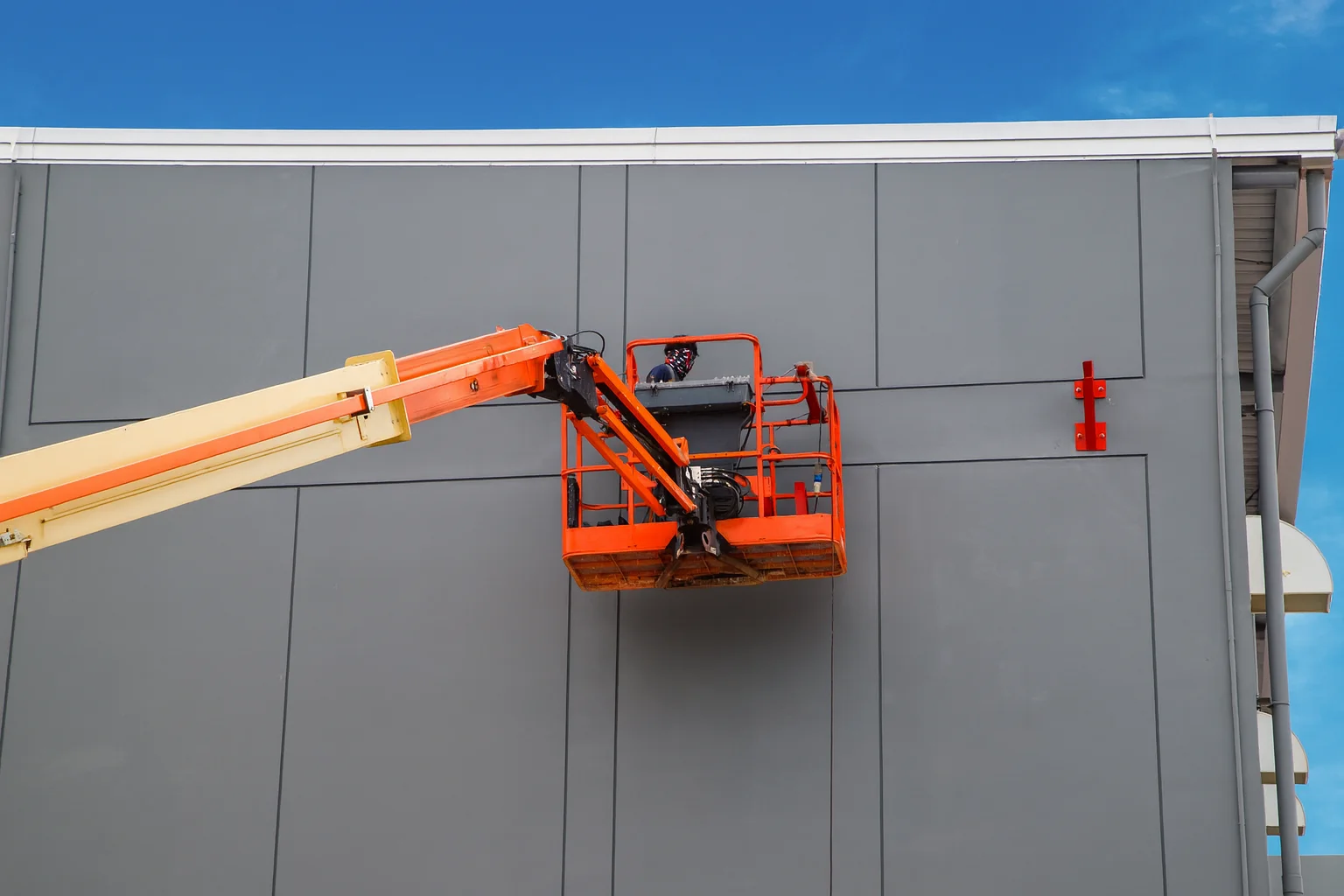
In one of our recent projects in Miami, we painted a Miami-Dade County logistics warehouse inside and out. Inside, the challenge was oil mist on lower walls and a tight weekend shutdown window - we used degreasing, epoxy on the loading dock zone, and acrylic above. Outside, sun-blasted metal siding needed rust-inhibitive primer before a direct-to-metal topcoat. Interior work took four nights; exterior took six days in March when humidity was manageable. Same client, two specs - that split is normal for commercial painting Miami industrial assets.
Based on projects in South Florida, mixing those scopes under one vague bid is how change orders happen. We separate interior odor control from exterior weather risk so facility managers know what they are buying.
Why Interior Commercial Painting Matters More Than You Think
Interior painting affects how a space feels and functions every day. In offices, clean and well-maintained walls contribute to productivity and morale. In warehouses and factories, industrial coatings help protect surfaces from moisture, chemicals, and wear.
Professional interior commercial painting in Miami focuses on durability, cleanliness, and efficiency. The right products can reduce odors, improve lighting reflection, and withstand heavy use without frequent touch-ups.
One thing many property managers overlook is foot traffic patterns - elevator lobbies and break rooms need harder finishes than back offices. We've seen situations where a flat paint in a café corridor stained within weeks; switching to washable satin fixed it without a full repaint.
Interior scopes we handle often include
- Tenant improvements and white-box turnovers
- Common-area hallways in multi-tenant buildings
- Retail fit-outs with brand-color deadlines
- Light industrial interiors with OSHA-aware crews
Exterior Painting: The First Line of Defense
Exterior surfaces are constantly exposed to sun, rain, and temperature fluctuations. Without proper protection, materials like stucco, brick, siding, and metal can deteriorate quickly.
Exterior commercial painting in Miami is about more than curb appeal. High-quality coatings help prevent moisture intrusion, corrosion, and surface damage, extending the lifespan of the building envelope.
In our experience on coastal retail strips, salt mist accelerates chalking on signage and stucco bands. Washing and priming matter as much as the finish coat. Explore our commercial painting services in Miami for pricing and project examples.
Exterior challenges unique to South Florida
- UV fading on south and west elevations
- Wind-driven rain testing caulking at parapets
- Lift access in tight urban lots
- HOA color boards and city permits on signage
What Can Go Wrong When Inside and Outside Are Treated the Same
Using interior paint on a sun-facing stucco band fails. Skipping exterior wash because the lobby already looks clean fails. Humidity in a closed warehouse without ventilation traps odor and slows cure. Poor prep on metal loading docks rusts through in months. Timing both scopes in peak storm season without float days usually means overtime or visible holidays in the finish.
A commercial painter Miami owners rely on will spell out different products and dry times for each side of the building. Triumph Painters does the same when managers compare us to another commercial painting contractors near me listing - ask for split schedules, not one generic gallon count.
How Interior and Exterior Schedules Differ
Interiors can often run during humid summers if HVAC is stable. Exteriors benefit from drier months - our Florida timing guide explains the weather logic that applies to many commercial facades too. Trying to force both scopes in peak storm season without contingency days usually overruns budget.
Night exterior work is rare; night interior work is common in offices. Planning both scopes in one contract can save mobilization costs if phases are sequenced intelligently.
Specialty Painting for South Florida Buildings
Many commercial properties require more than standard paint. Specialty services such as epoxy floor coatings, drop-deck ceiling painting, graffiti removal, and protective industrial coatings are increasingly common across South Florida.
Professional painting companies in Miami understand when to recommend paint versus stain, standard coatings versus specialty systems, and how to apply them correctly for long-lasting results. Industrial facilities may need floor striping and safety colors that never appear on a typical office bid - but belong in the same maintenance conversation.
Planning Makes the Difference
One of the biggest advantages of working with experienced commercial painters is proper planning. Projects are scheduled to reduce disruption, protect equipment, and keep businesses operating with minimal downtime.
From small office interiors to large industrial facilities, professional painting services in Miami combine technical knowledge with practical execution. We document daily progress for property managers and flag substrate issues before they become change orders.
When Residential-Scale Lessons Apply
Small commercial condos and mixed-use owners sometimes compare bids to house painting. Material science overlaps - humidity and salt still rule - but access and codes differ. Homeowners researching costs can read our Miami house painting cost breakdown; managers of boutique retail should still expect commercial insurance and scheduling overhead.
Residential crews and commercial crews may share techniques, but commercial specs should be written for your occupancy class, not copied from a single-family template.
Pre-Paint Inspection Checklist for Building Owners
Before you approve a scope, walk the property with a contractor and note substrate issues - they drive cost more than square footage. On interiors, check for water stains on ceilings, failed caulk at windows, and high-touch scuffs in corridors. On exteriors, look for stucco cracks, rust at balcony rails, chalky paint on south walls, and failed sealant at rooflines.
In our experience working across Miami-Dade and Broward, buildings that photograph problems early get tighter bids and fewer mid-project surprises. Moisture readings on stucco after rain should be part of an exterior bid - not an afterthought. If your asset mixes office and warehouse under one roof, tag zones that need epoxy or intumescent systems so they are not priced as standard latex.
Share your operating hours and tenant rules upfront. A clear checklist beats a generic “paint building” line item every time.
A Smarter Approach to Commercial Painting
Commercial and industrial painting is not a one-size-fits-all service. Buildings across Miami and surrounding areas each have unique needs, materials, and operating conditions.
Taking a thoughtful, professional approach to both interior and exterior painting helps businesses protect their investment while maintaining a clean, safe, and professional environment. Pair interior durability with exterior weatherproofing - skipping one side leaves money on the table when the next inspection or lease renewal arrives.
Color, Branding, and Lighting Considerations
Interiors read differently under LED and fluorescent light. We mock up accent walls when brands depend on exact Pantone matches. Exteriors look lighter in full Miami sun - that is why large samples on stucco beat tiny chips. Matching existing storefront signage? Bring us the spec early so trim and fascia paint align with marketing materials.
When both interior and exterior scopes run together, we align color transitions at entries and window walls so the building reads cohesive from the street through the lobby - small detail, big impact on perceived quality.
Coordinating Vendors and Trades
Inside vs. outside projects rarely happen in isolation. Roof repairs, window replacements, and signage installs can damage fresh paint if sequencing is wrong. We coordinate with other trades when general contractors request it - for example, finishing stucco repair before elastomeric coating, or holding lobby work until flooring crews wrap.
Clear handoffs reduce finger-pointing at closeout. That is part of why established Miami commercial painters are worth the premium: they have seen the job after the job, when a rushed exterior wash ruined new interior carpet protection. Sequence interior punch lists after exterior scaffolding comes down whenever possible.
Need help with your project? Learn about our commercial painting services, exterior painting, or request a free quote.
Frequently asked questions
Should I paint the interior or exterior of my commercial building first?
Exteriors are usually scheduled in drier months first if both are urgent. If tenants are moving in, interiors may take priority. We map dependencies - for example, exterior scaffolding can block windows, so interior touch-ups may wait.
Do interior commercial paints need mildew-resistant formulas in Miami?
Bathrooms, kitchens, and ground-floor retail near open doors benefit from mildew-resistant coatings. Standard offices may use conventional commercial acrylics with proper primer on new drywall.
What exterior coatings work best on stucco commercial buildings?
Breathable acrylic or elastomeric systems are common after cracks are repaired. The wrong film thickness can trap moisture in stucco - prep and product selection should match the substrate test, not a generic spec sheet.
How do you minimize downtime for occupied offices?
Phased floors, night work, and low-odor products help. Clear communication with building management about elevator use, parking, and odor notices keeps tenants informed.
When should specialty coatings be used instead of standard paint?
Garage decks, mechanical rooms, and food-prep areas often need epoxy or urethane systems. Exposed steel may need intumescent or rust-inhibitive primers. A walkthrough identifies those zones early.
Need this done on your building?
We walk the property, note the repairs, and put every prep step on the estimate in writing - so you can compare line items, not just totals.
Request a free estimateOr call (305) 380-3081.
Related articles
- Best Time to Paint a House in Florida (Miami & South Florida Guide)
- How Much Does House Painting Cost in Miami in 2026?
Triumph Painters serves Miami, Fort Lauderdale, and South Florida with residential, commercial, exterior, and industrial painting. Browse all posts on our blog.