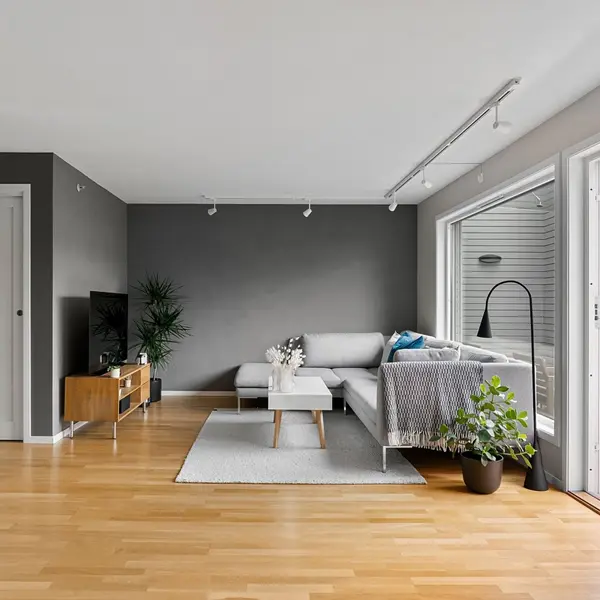
INTERIOR PAINTERS IN MIAMI YOU CAN TRUST IN YOUR HOME
Interior painting in an occupied home comes with its own constraints regardless of climate - protecting furniture and flooring, working around a household's daily routine, and picking products that won't leave a lingering odor in a house that stays closed up with the air conditioning running. Triumph Painters handles all sorts of interior painting tasks in Miami and the surrounding area, including:
- Wall painting
- Trim and door painting
- Staircase staining and varnishing
- Staircase stringer and riser painting
- Ceiling painting
- Wallpaper removal
We carry liability insurance for each project, since even careful work in a lived-in home means ladders and drop cloths around furniture and floors you'd rather not have to replace afterward.
Planning a full home refresh? Read our guides on the best time to paint in Florida and house painting cost in Miami on our blog.
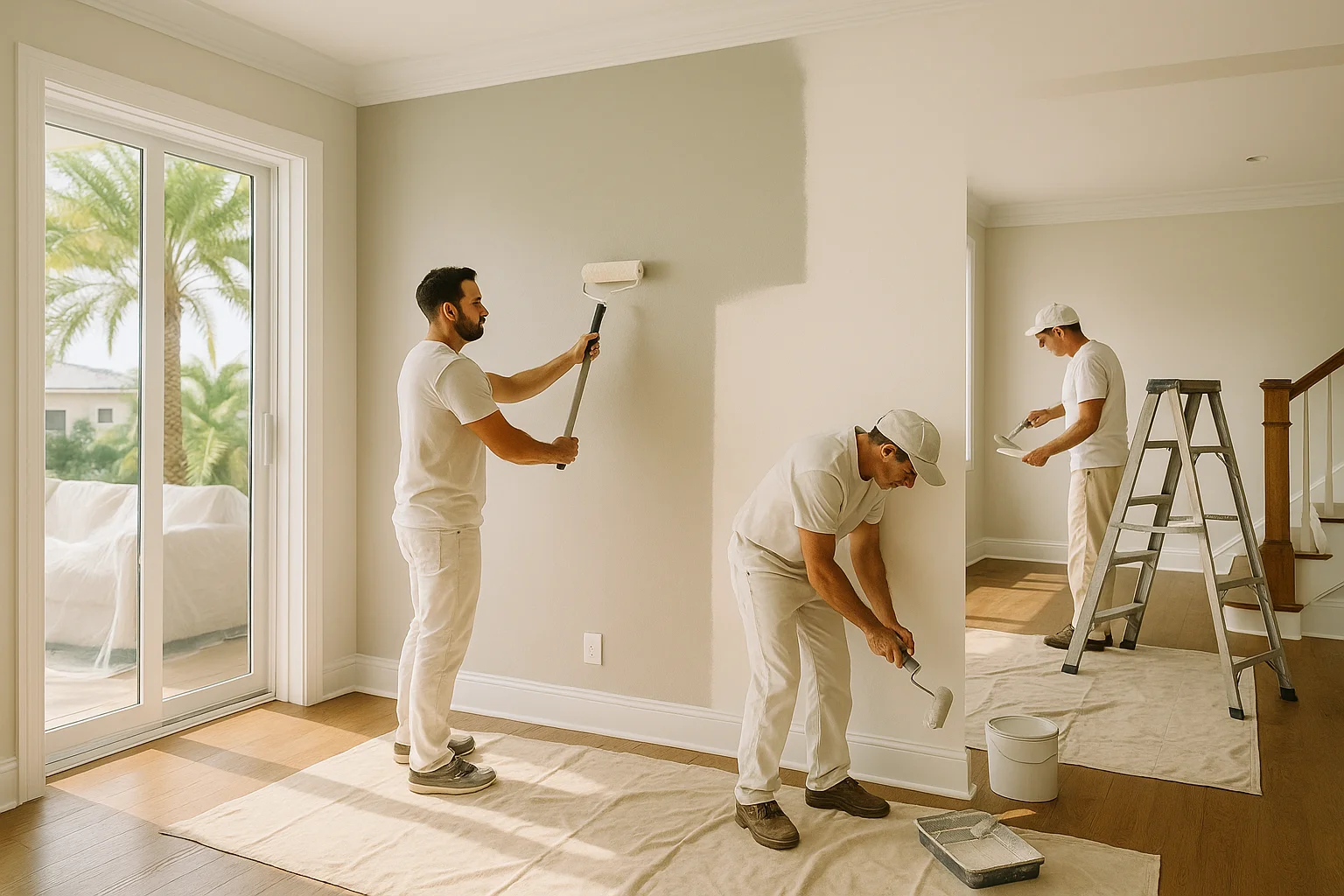
HOUSE INTERIOR AREAS WE SPECIALIZE IN
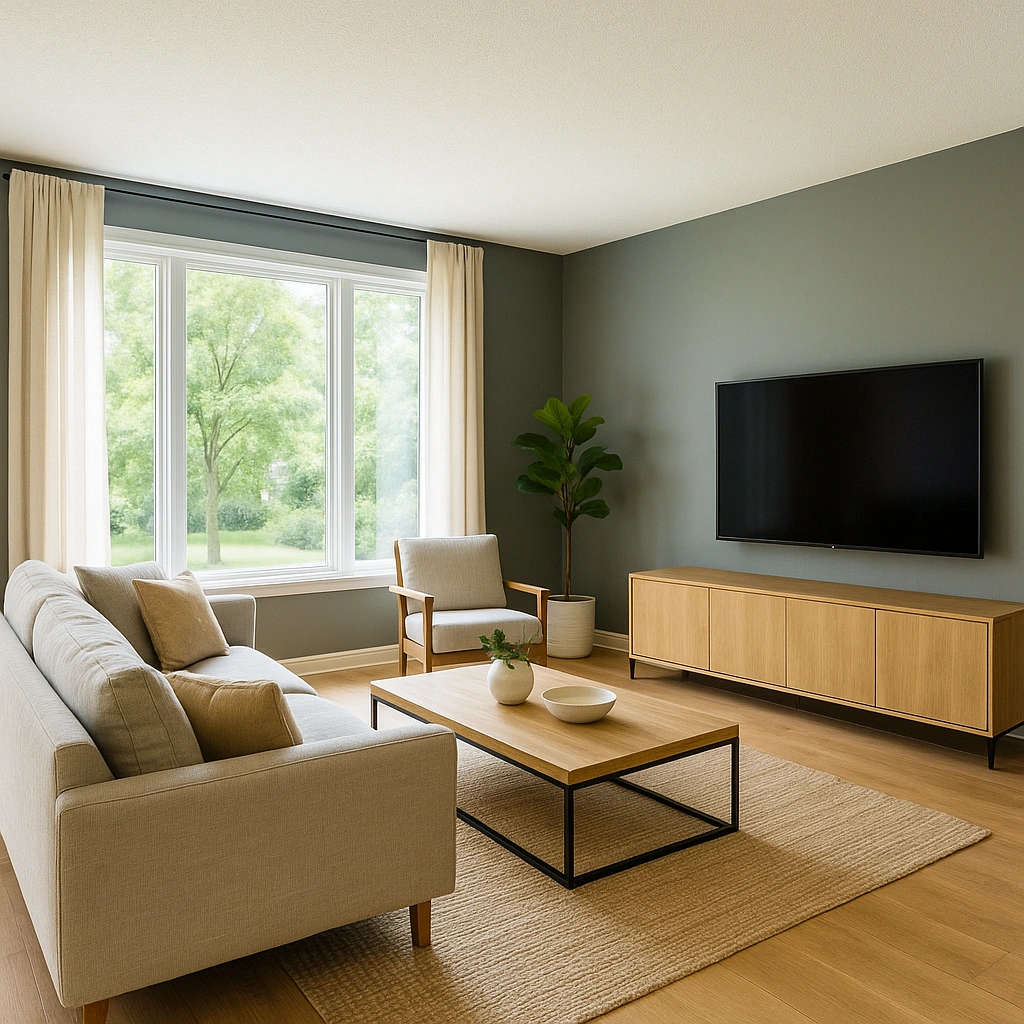
Living Areas
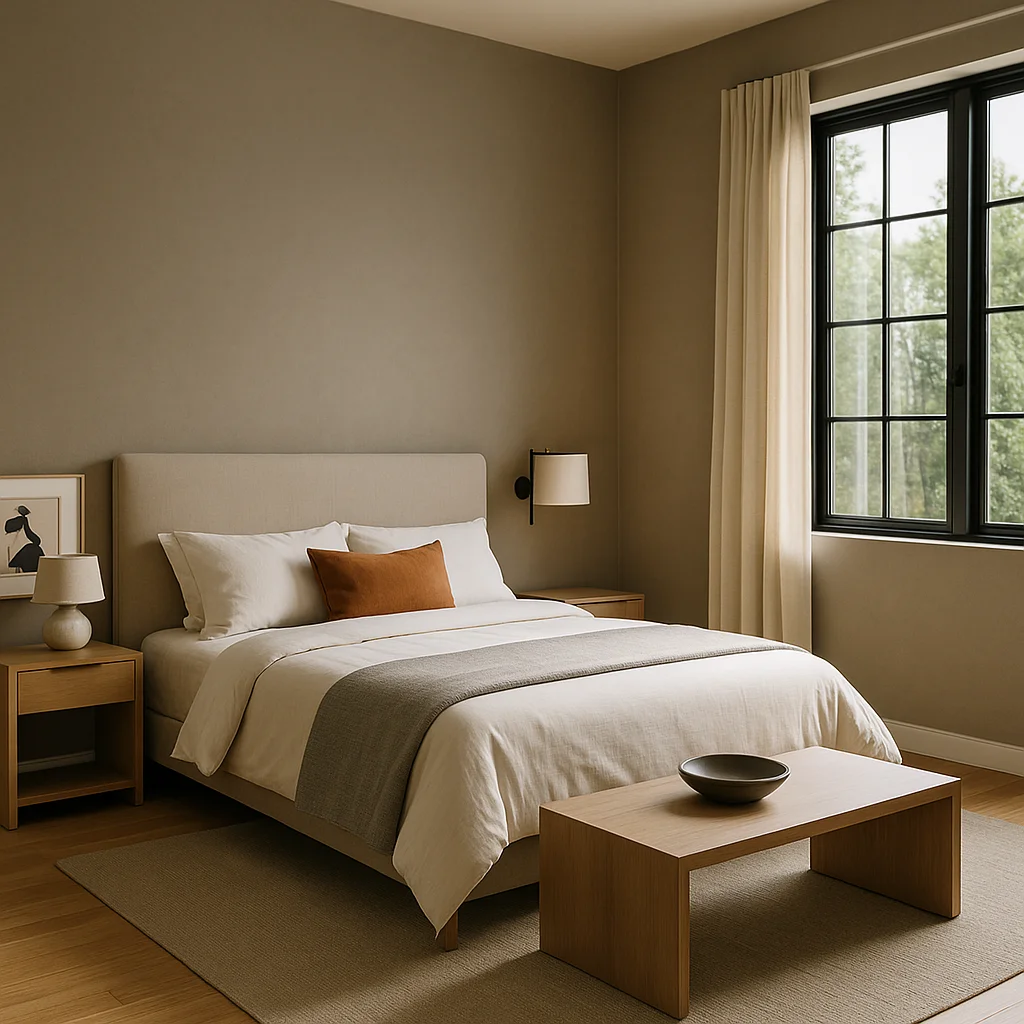
Bedrooms
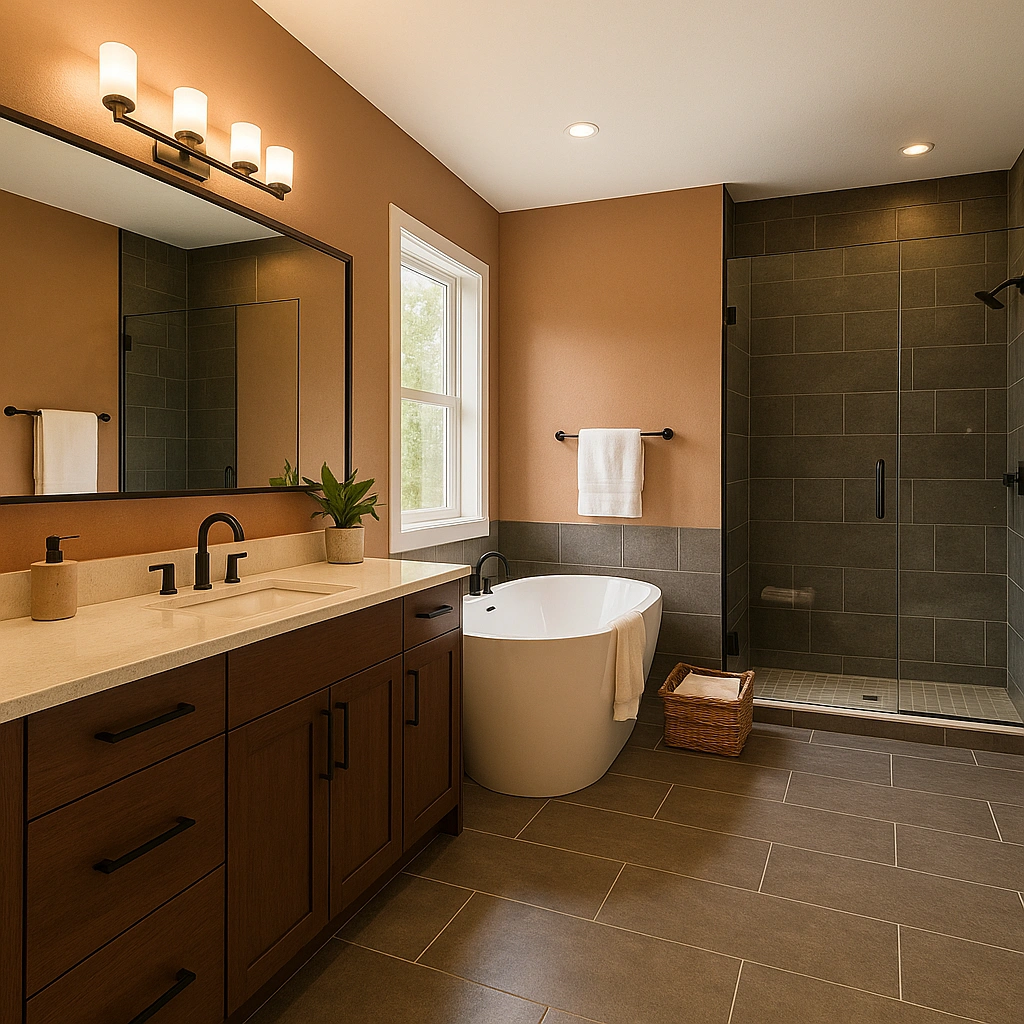
Bathrooms
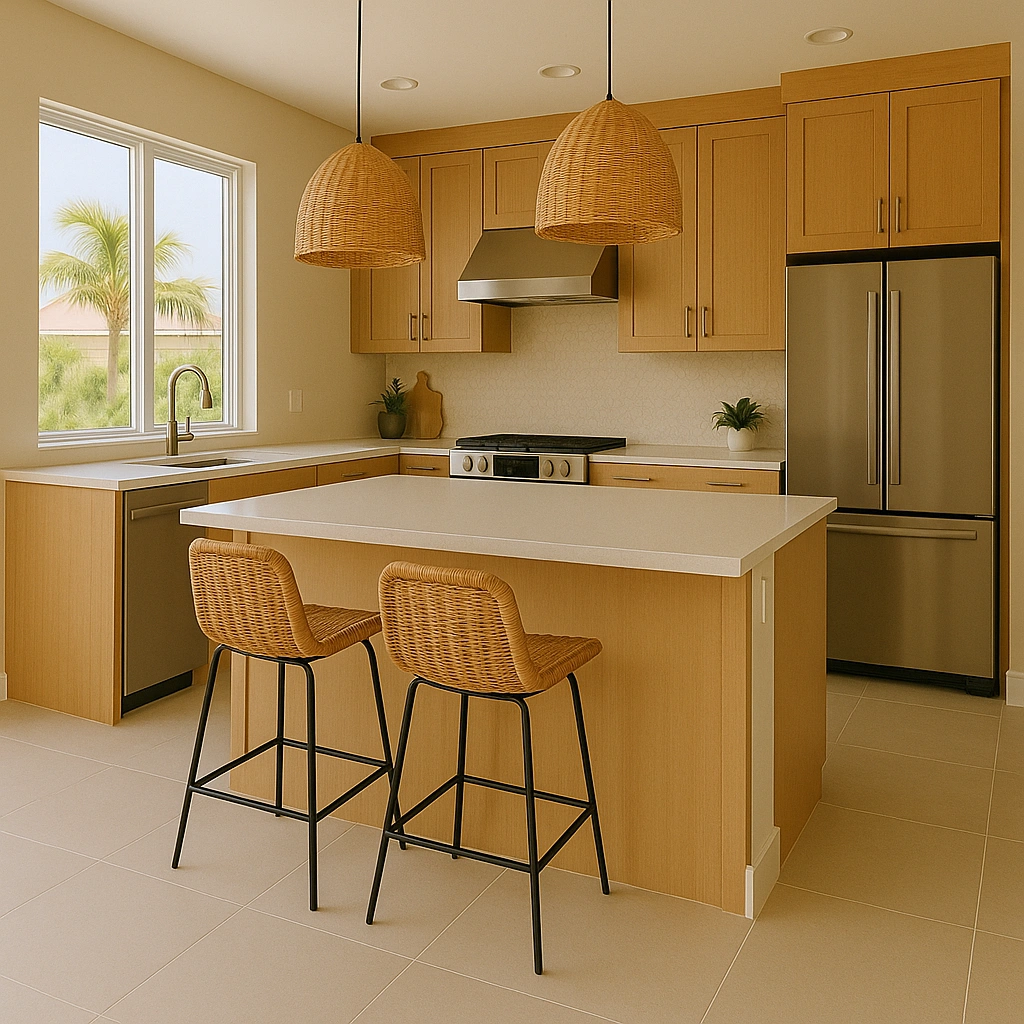
Kitchens
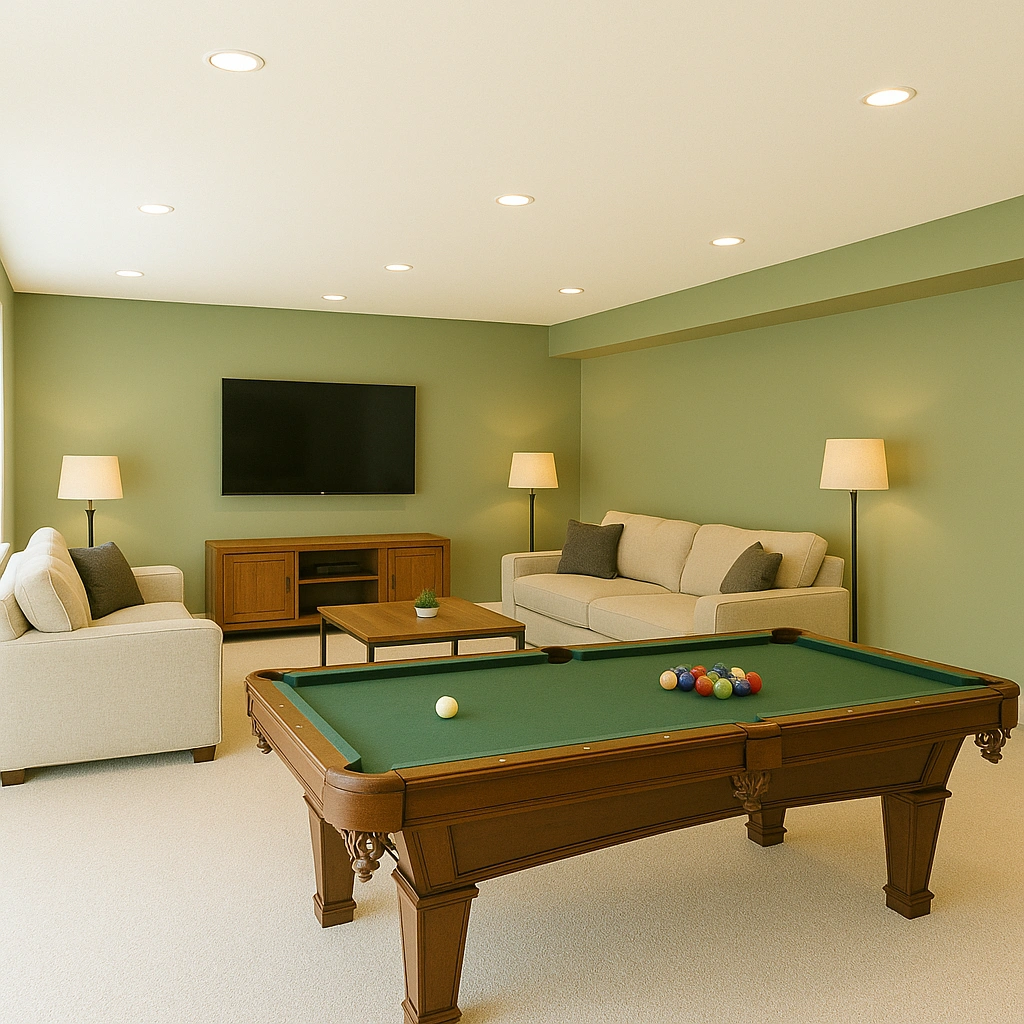
Basements
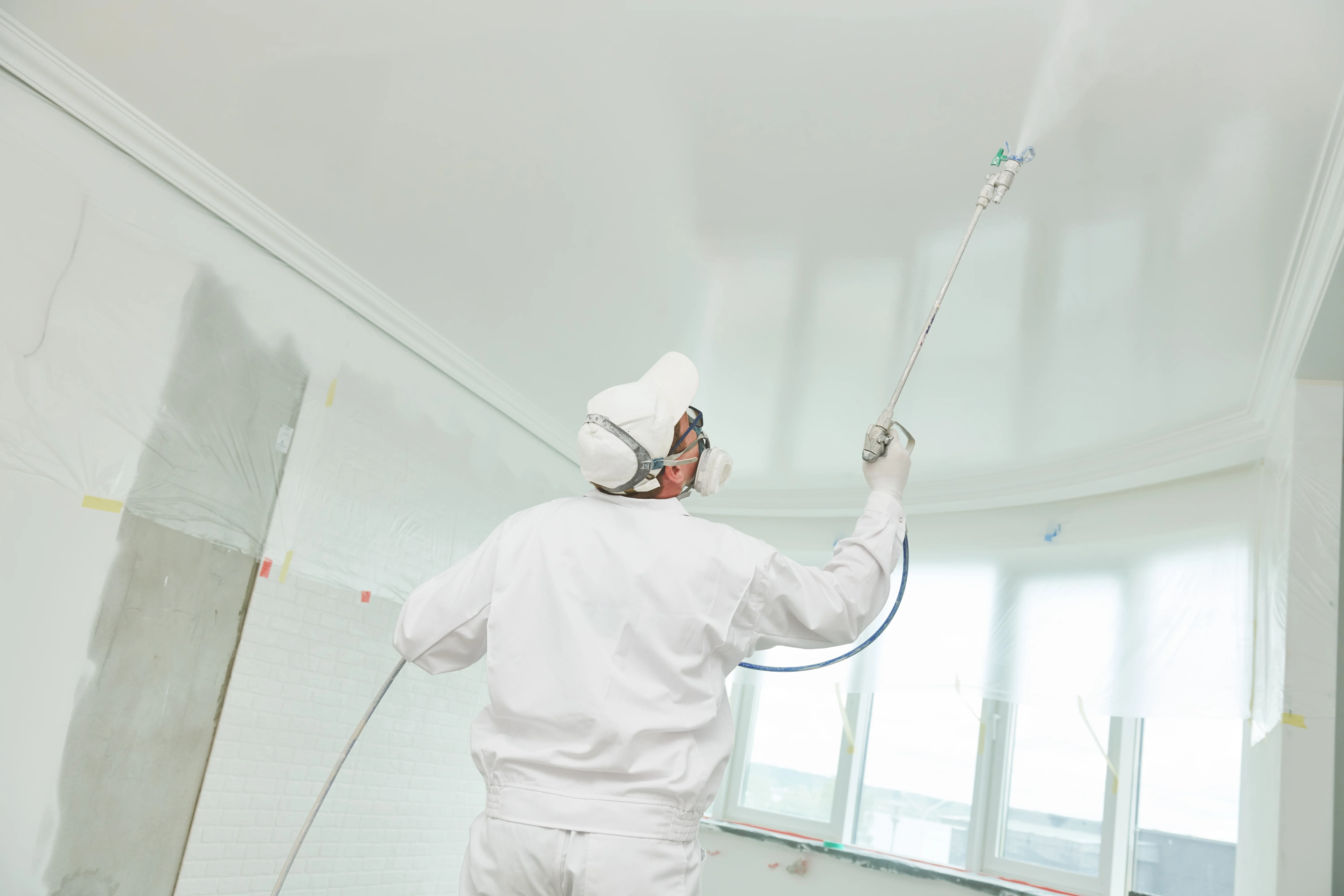
Ceilings
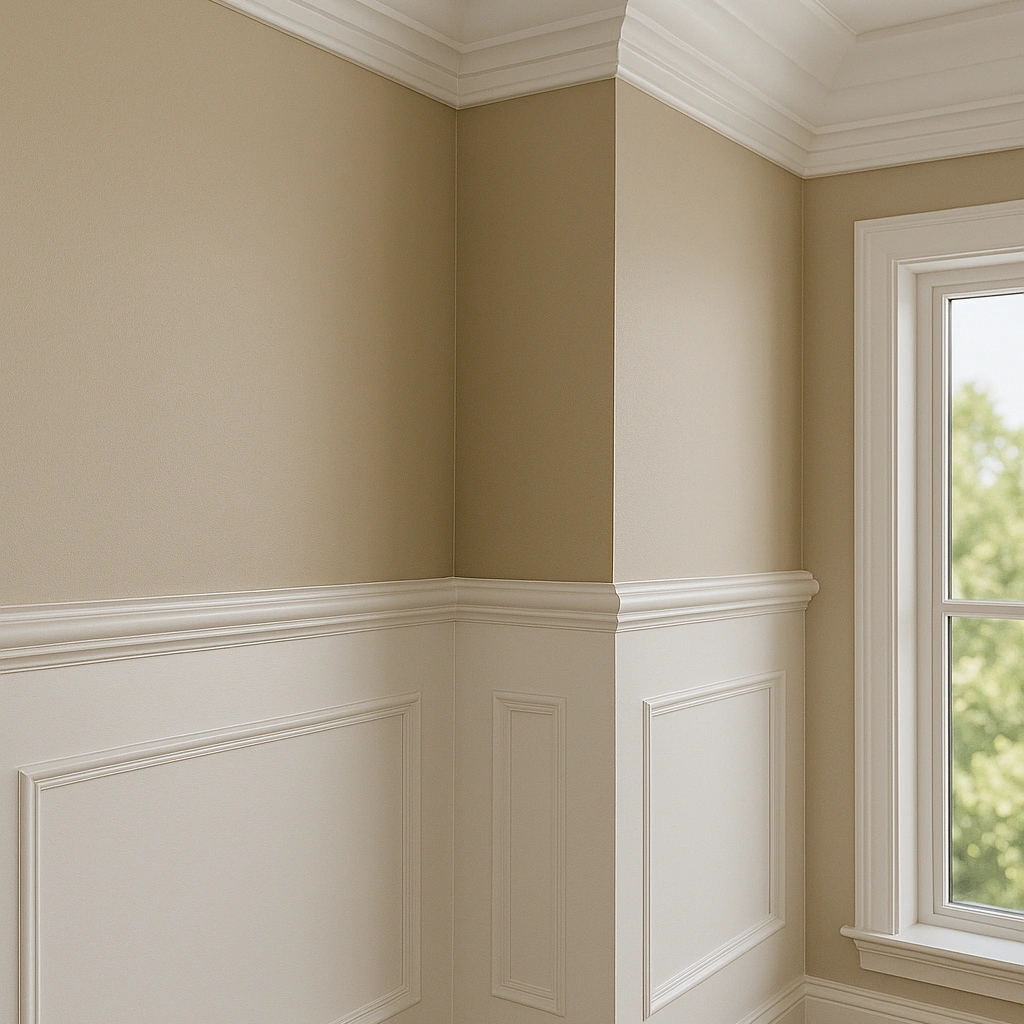
Trim & Crown Molding
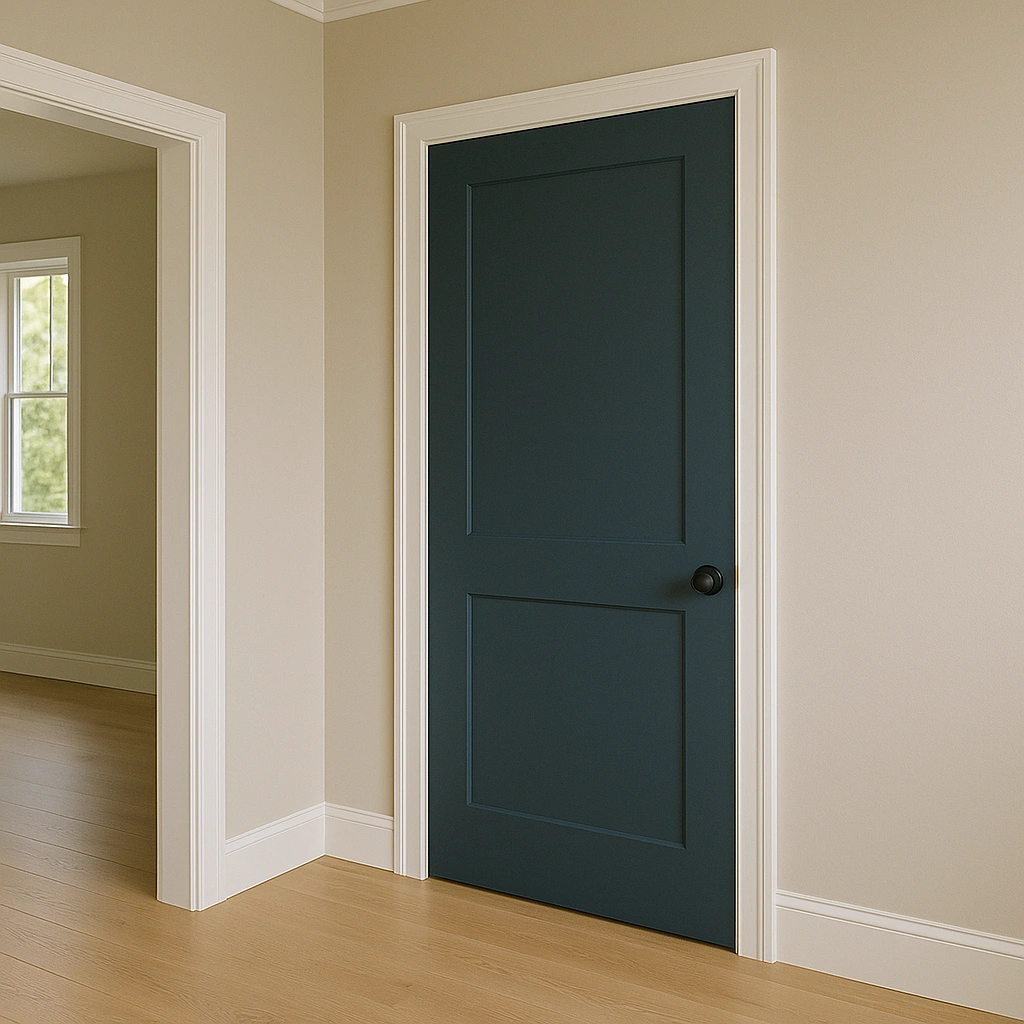
Doors
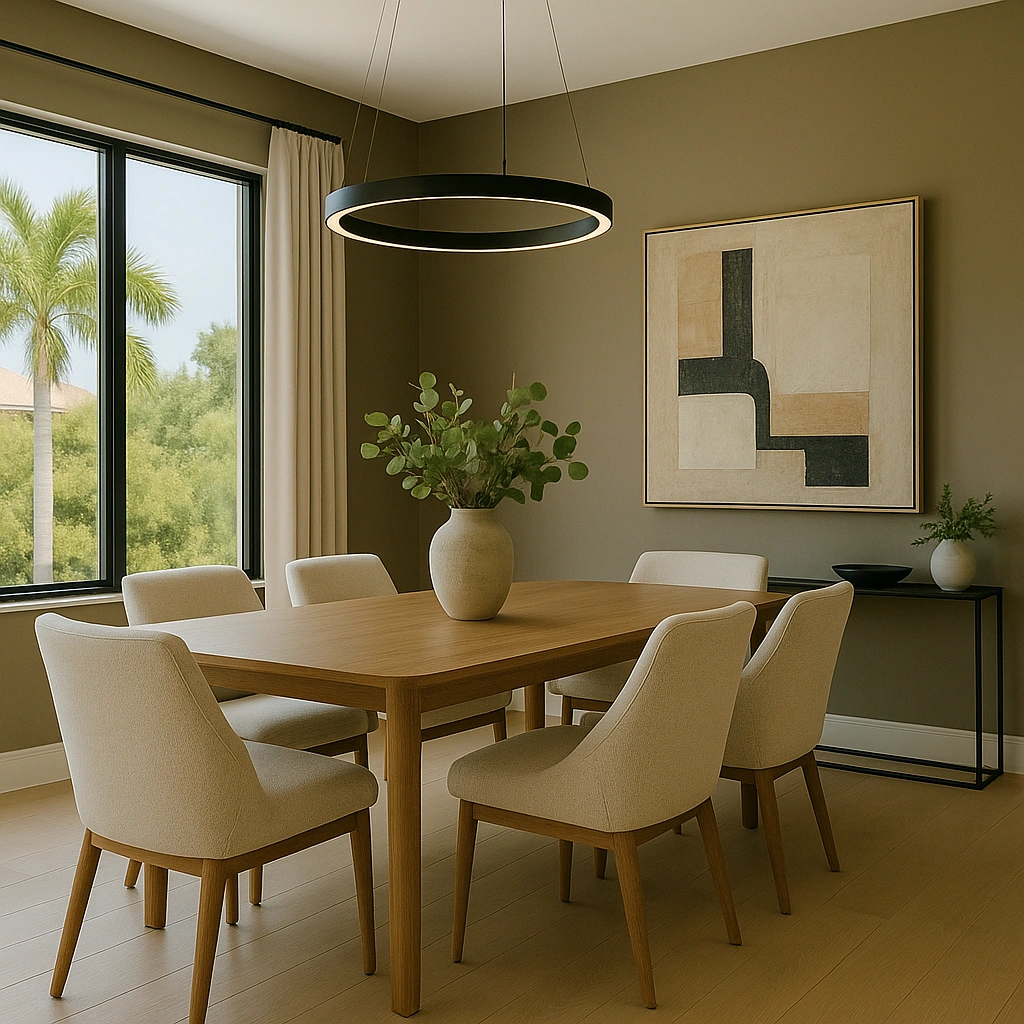
Dining Rooms
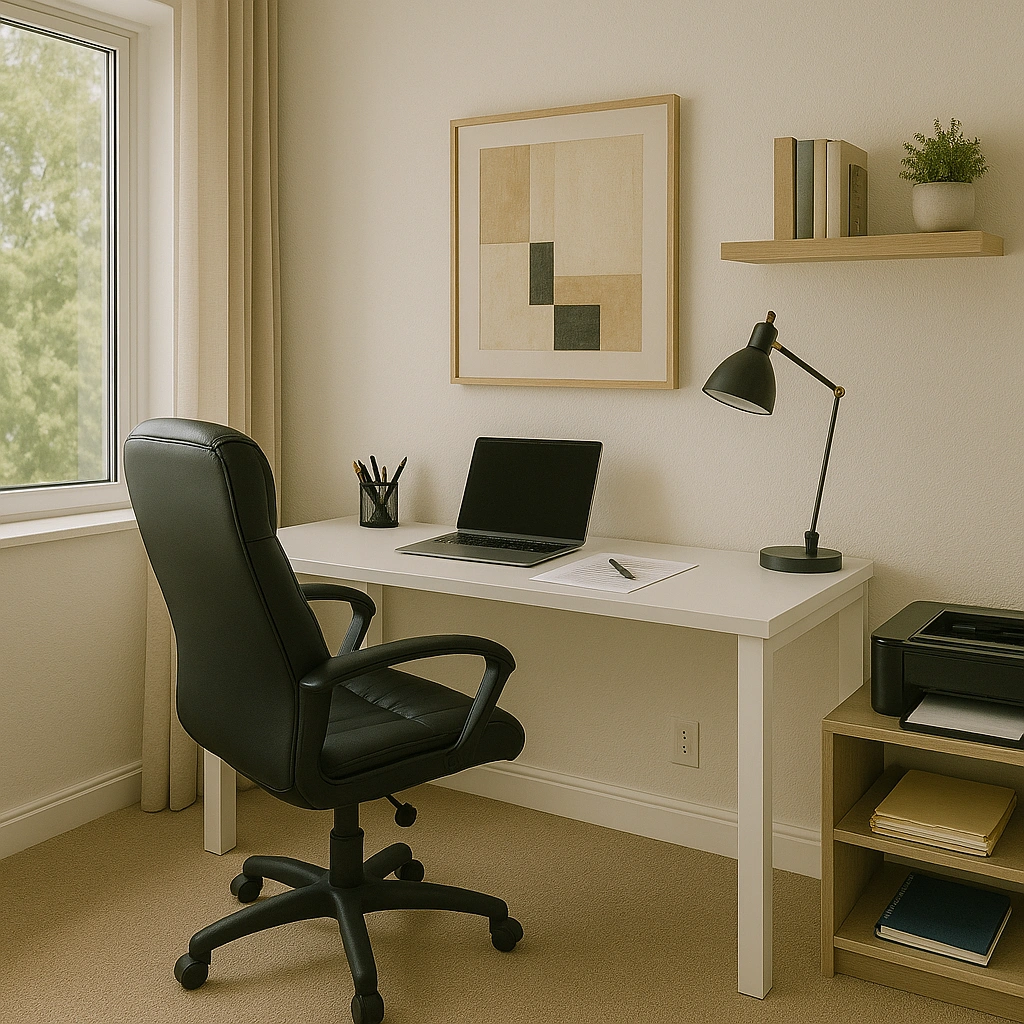
Home Office
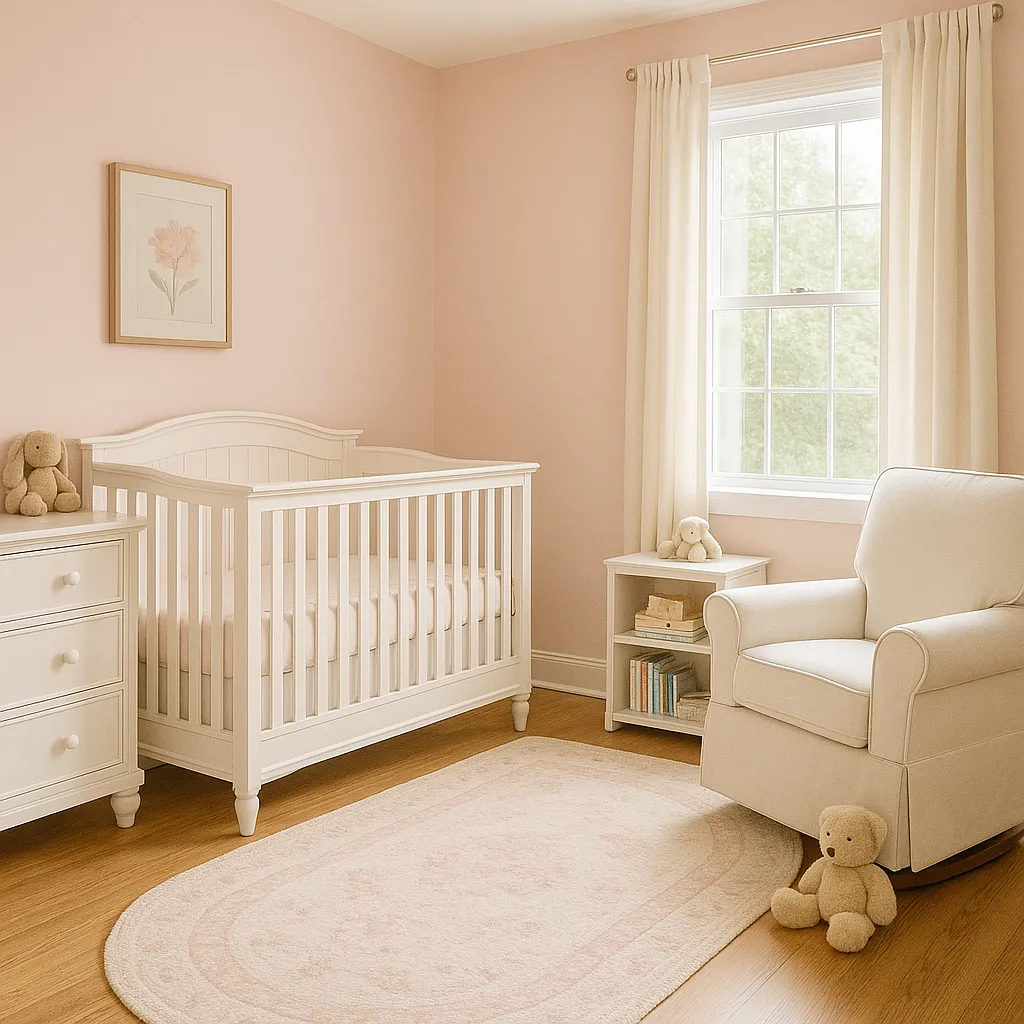
Nurseries
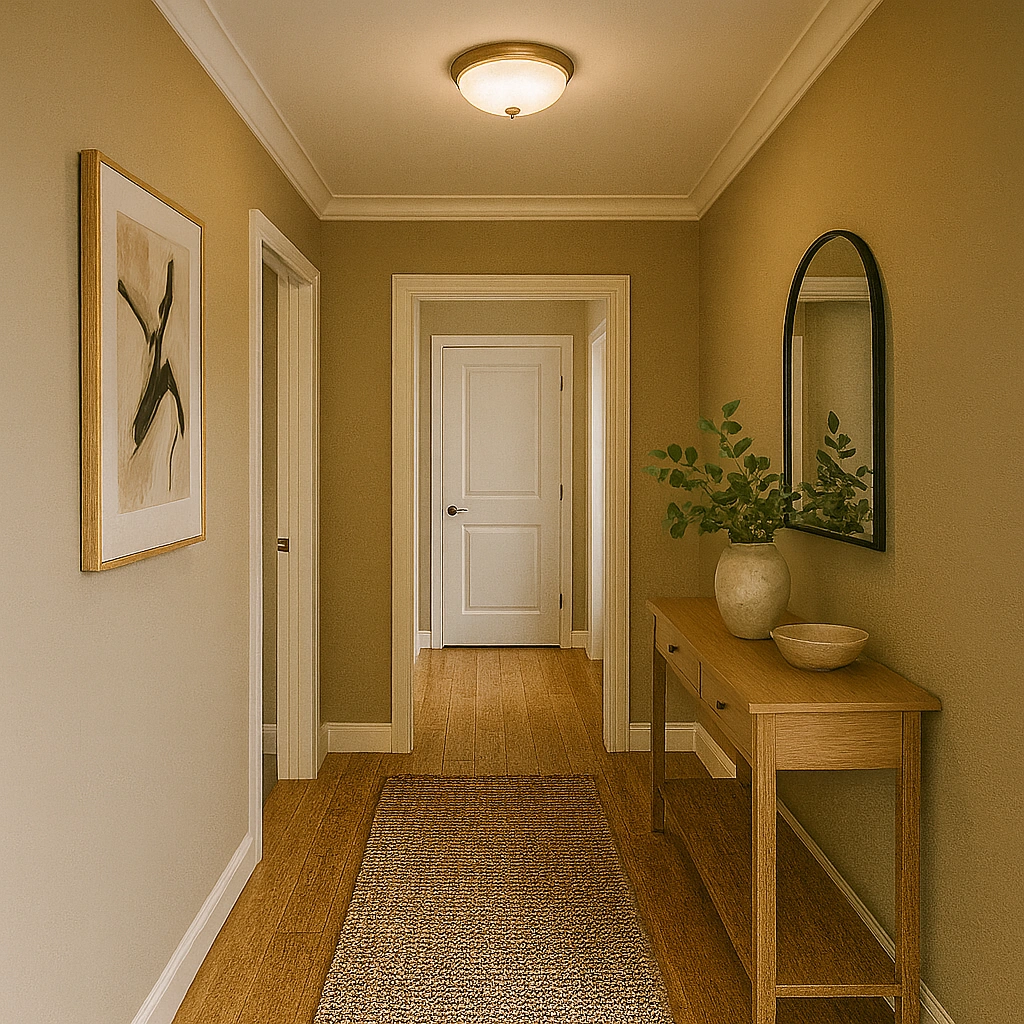
Hallways

Staircases
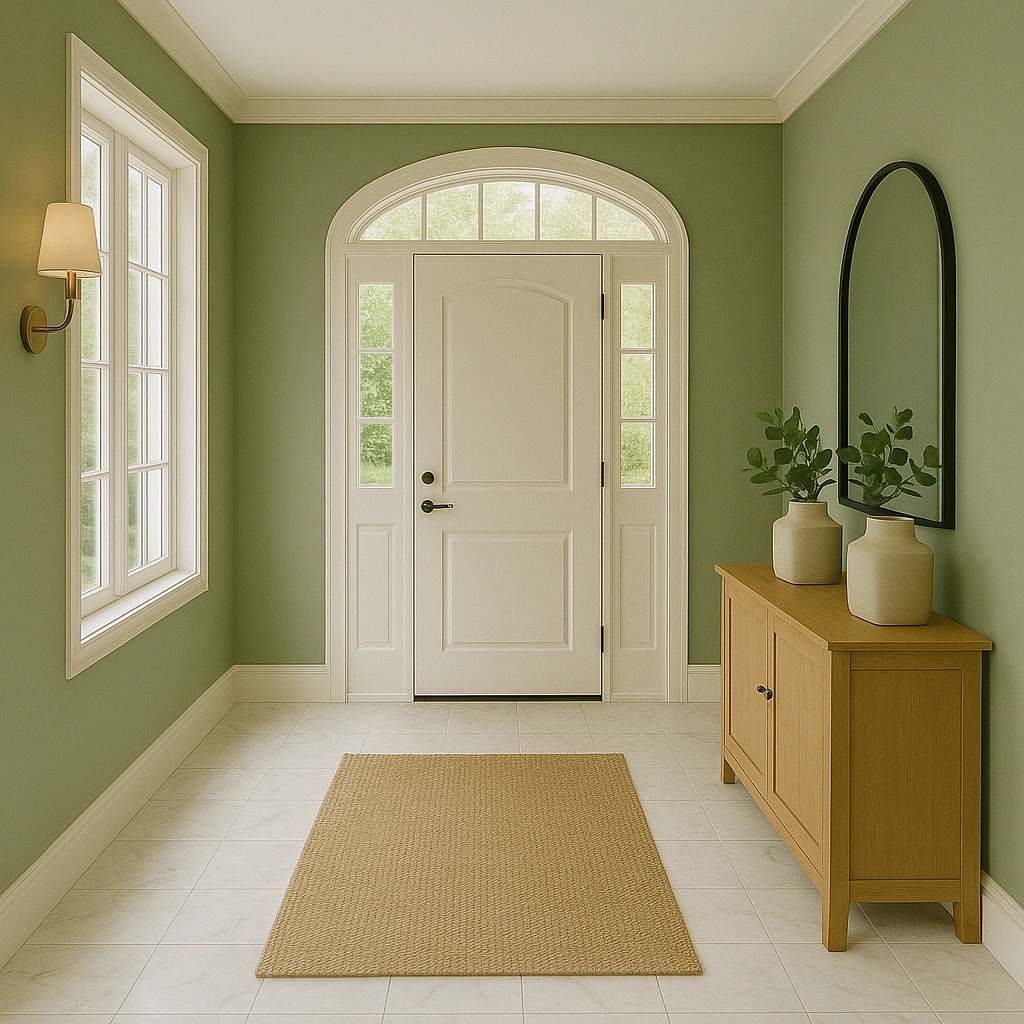
Foyers & Entrances

Garages
INTERIOR HOUSE SERVICES BEYOND PAINTING
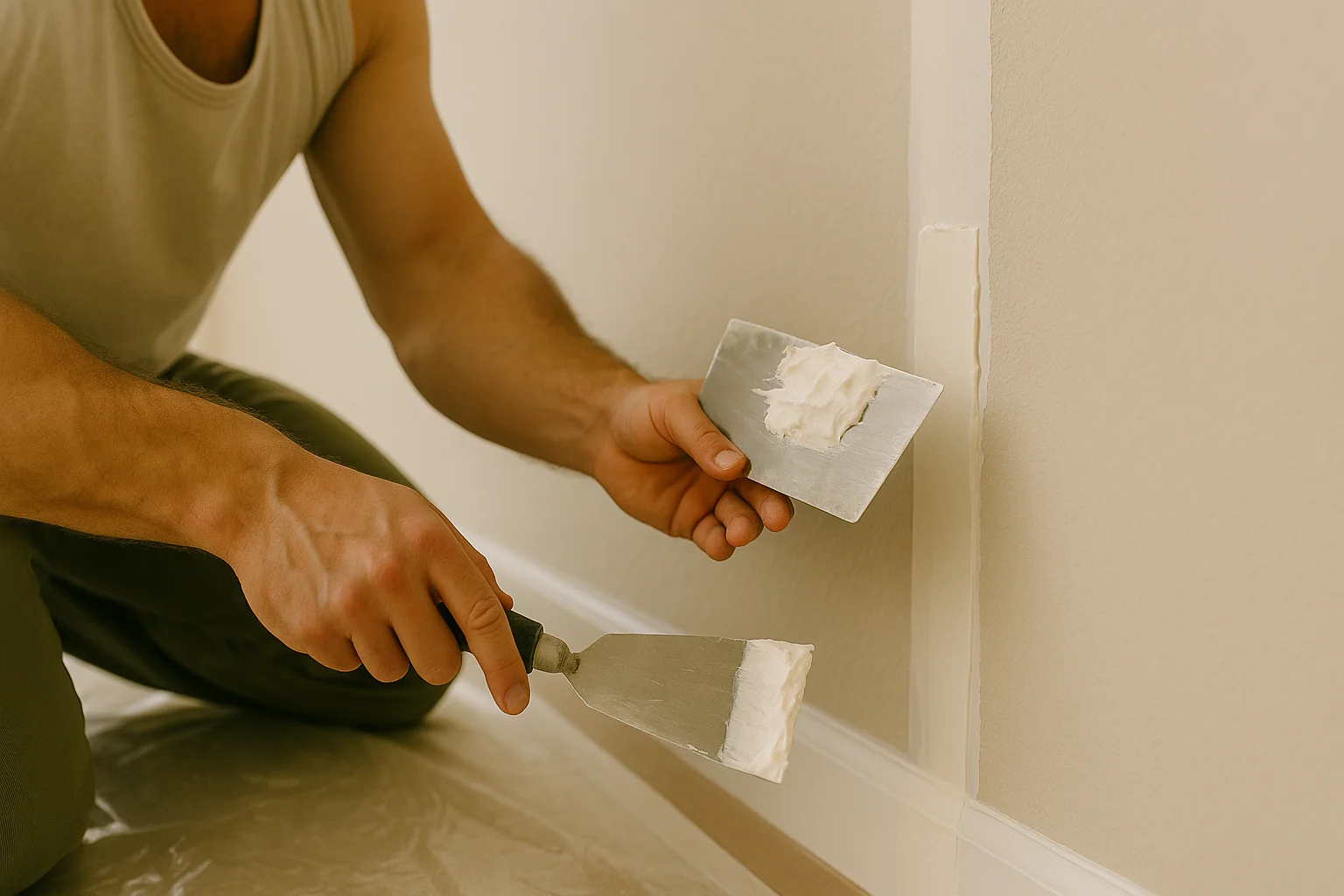
Drywall Patching, Taping, & Repair
Get Your Drywall Ready To Paint
Drywall is difficult to paint if it is not secured properly or has flaws in it, leading to a finish that is uneven or otherwise just does not look good. Let our painting experts patch, tape, and repair drywall you want painted so that you avoid imperfections and end up with a smooth finish.
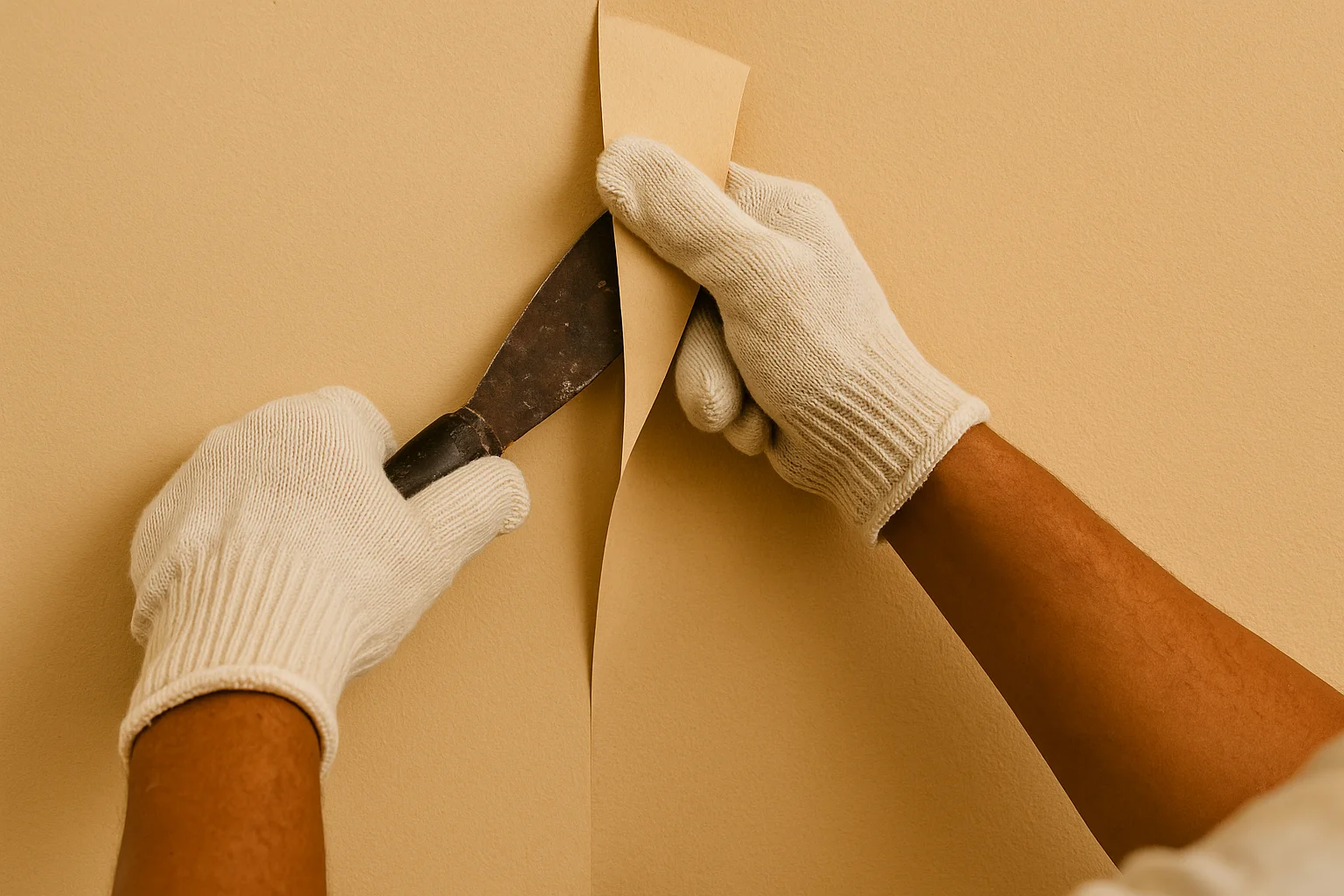
Wallpaper Removal
Remove Wallpaper Right to Speed Up Painting
If you want to paint a wall with wallpaper on it, you have to remove the wallpaper first. But if you do not do that correctly, it can end up leaving debris, glue residue and imperfections that make prepping the underlying wall take longer. Cut down on unnecessary painting time by leaving wallpaper removal to our expert painting team.
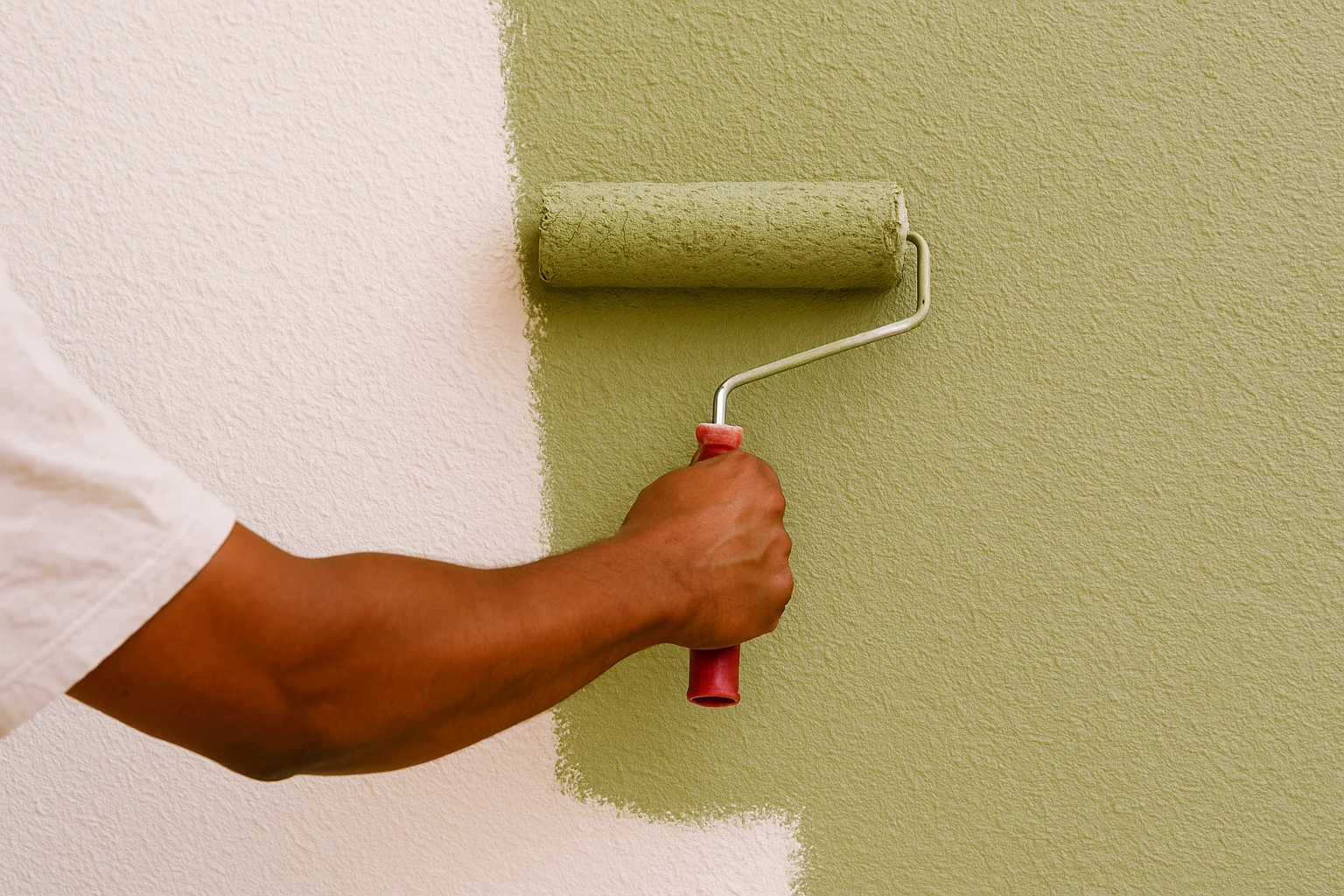
Stucco / Popcorn Ceiling Painting
Freshen Up Your Stucco or Give It a Whole New Look
Stucco and popcorn ceilings used to have limited color options, but now most kinds of paints can refresh or change their look. Let our professional team of interior painters in Miami use the paints, tools, and preparation techniques to paint your stucco or popcorn ceiling the right way.
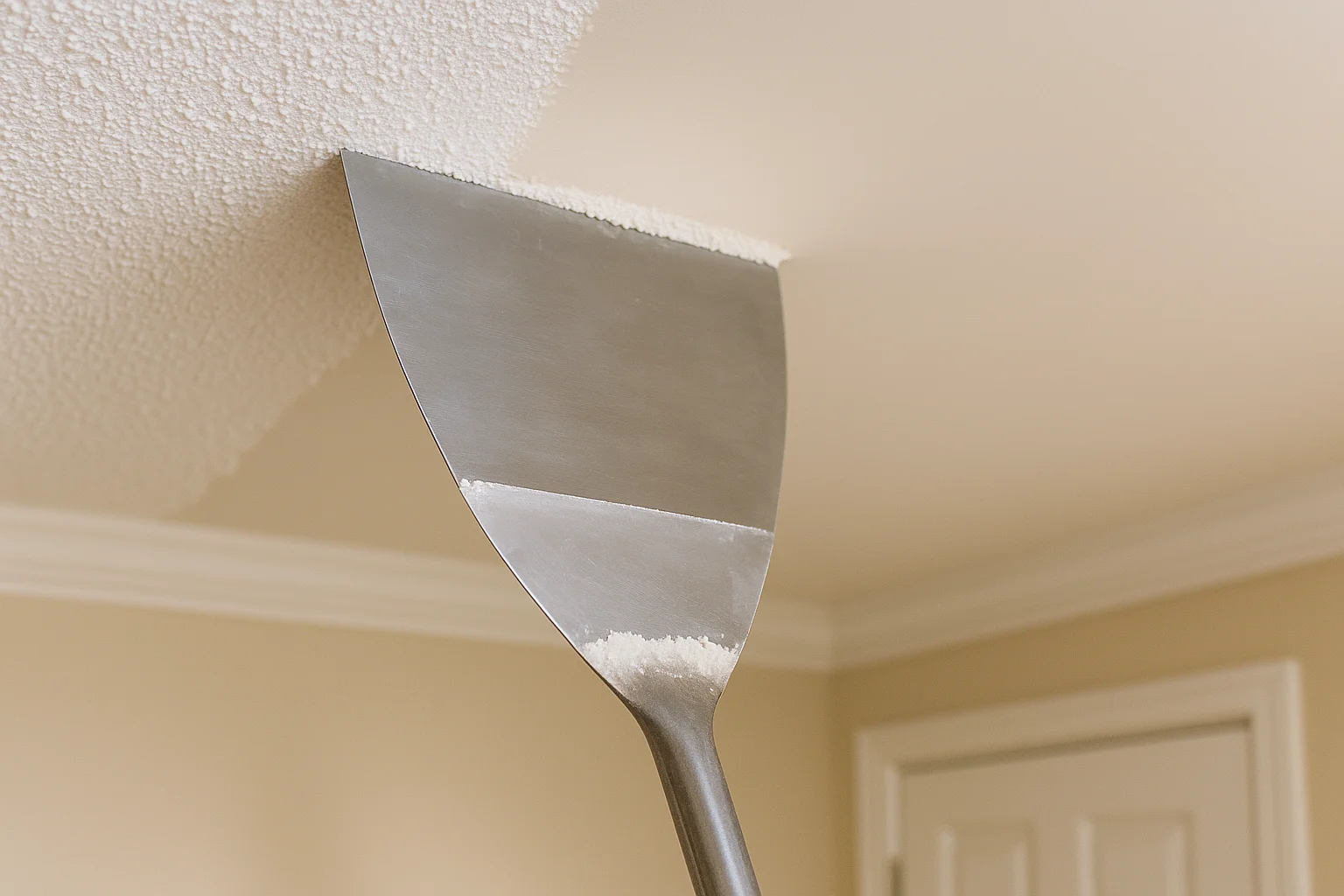
Stucco / Popcorn Ceiling Removal
Remove Textured Finishes Properly to Avoid Delays
Like with wallpaper, removing stucco and popcorn ceilings carelessly can leave debris or imperfections that make the underlying surface difficult to paint. Our team of painting experts can remove stucco and popcorn ceilings properly so you can get to painting the surfaces underneath faster.

Interior Caulking
Seal Trim and Baseboards for a Smooth Finish
Trim and baseboards can eventually come loose with exposure to the elements and wear & tear over time. This creates gaps that expose the lines between areas where you painted and where you did not paint. We can stick and seal your trim and baseboards to your walls so that you get a uniform-looking painting finish.
Painting Occupied Homes Without Disrupting Daily Life
Keep the House Livable While We Work
Painting a house you are still living in is different from painting a vacant one - meals still get cooked, kids and pets still move through the house, and closed-up, air-conditioned rooms hold onto paint odor longer than an open job site would. We section off work areas and cover furniture and flooring before the first roller goes on, and we default to low-VOC formulas for occupied interiors so rooms clear faster and stay usable sooner.
Kitchen Cabinet Painting
Built to Handle Grease, Steam, and Daily Use
Cabinets get handled, wiped down, and exposed to kitchen steam and grease every day, which is a tougher durability test than a wall ever faces. We degrease and sand doors and boxes before priming, since paint applied over old grease or a glossy factory finish tends to peel within months regardless of how good the topcoat is. Doors and drawer fronts get finished in a controlled area for an even result, then cured for the time the product actually calls for before hardware goes back on - rushing that step is one of the more common reasons a cabinet repaint chips at the edges early.
Choosing the Right Sheen for Each Room
Match the Finish to How the Room Gets Used
Flat and matte finishes hide wall imperfections well but don't hold up to scrubbing, which makes them a weaker fit for hallways and kids' rooms. Eggshell and satin clean up better and suit living areas and bedrooms. Semi-gloss and gloss stand up to moisture and repeated wiping, which is why they are the usual call for kitchens, bathrooms, trim, and doors, even though they show surface flaws more readily than a flatter sheen would.
HOW TO CHOOSE AN INTERIOR PAINTER
Insured, Accredited, & Well-Reviewed
Interior work happens inside your home, around your belongings, so insurance matters even though the risk profile is lower than exterior or commercial work. Ask to see photos of finished interior jobs similar to yours - a painter comfortable with plain wall color changes isn't automatically the right fit for cabinet refinishing or detailed trim work.
Expert Interior Painting Recommendations
The right sheen and product depend on how a room actually gets used, not just the color you want. A painter should ask whether a room sees heavy traffic or moisture before recommending flat paint over semi-gloss, and should flag if low-VOC products make sense for a home that will stay occupied during the job.
Clear & Honest Home Painting Pricing
Drywall repair, cabinet degreasing, and wallpaper removal all add labor that a bare per-square-foot rate won't reflect. A contractor should walk the space, note what prep it actually needs, and itemize that separately from paint and labor so nothing shows up as a surprise on the final bill.
Using the Right Tools for Interior Painting
Cabinet doors need a controlled spray setup and real cure time to get a smooth, factory-style finish; a wall just needs the right roller nap for the sheen you've chosen. Ask what equipment a contractor plans to use for your specific surfaces, not just what they'll use for the walls.
WHY CHOOSE TRIUMPH PAINTERS FOR YOUR INTERIOR HOUSE PAINTING?
We are Fully Insured
Ladders, drop cloths, and paint move through your living space during an interior job, so our liability coverage is there in case anything gets damaged along the way. We can provide documentation before the crew arrives.
Interior House Painting Experts
We got our start as residential painting specialists, which means interior work - drywall repair, cabinet finishes, sheen selection by room - isn't a side offering for us. It's where we began.
Fair & Honest Home Painting Prices
A quote that doesn't account for drywall repair, cabinet degreasing, or how many coats a color change needs isn't really a quote. We assess those specifics on a walkthrough and price the job around what your rooms actually need.
Stellar Painting Resume in South Florida
Years of interior work across South Florida homes means we've seen how paint lines actually hold up in closed-up, air-conditioned rooms over time, not just how they're marketed on the can.
INTERIOR HOUSE PAINTING PROCESS
There are 6 stages to painting interior areas:
Prepare the work areas
The first step is to get the areas you want to paint ready to start working in. This means moving or removing furniture and fixtures that could get in your way. It also means applying painter tape and laying down drop cloths to protect the areas you do not want to get paint on.
Remove wallpaper if necessary
If a wall you want to paint has wallpaper on it, you need to remove that first. You should do this carefully - perhaps hiring a professional painting team (like us!) to do it for you - as a botched job can result in pieces of paper or adhesive stuck to the underlying wall surface. This extends your prep time, as you have to remove these as well.
Repair and clean surfaces
You should also patch and sand any cracks, holes, or dents in any of the surfaces you are painting so that the paint will adhere properly for a smooth finish. Similarly, you should clean the surfaces you plan to paint so that dirt, dust, mold, and other contaminants do not get stuck in the paint.
Caulk trim and baseboards
If you have trim or baseboards around the walls you want to paint, you should caulk them to seal them to the walls (unless you plan on removing them before you paint and then re-attaching them afterward). This helps prevent them from becoming unstuck from the walls, which exposes gaps between the old wall color and the new one.
Prime surfaces to be painted
Apply primer to the surfaces you want to paint. If you want to dramatically change the color of a particular surface, or are aiming to paint it a particularly deep color, try using a primer that is pre-tinted to a similar color (a paint store can do this for you). This can make it easier to get the color you want without applying as many coats of paint.
Paint in the right order
If you are painting all of the components of a room, it is best to paint them in a specific order to minimize the chance of making mistakes that are difficult to fix. Generally, you should paint the trim first, then paint the ceiling. Paint the walls next, and save the baseboards for last.
INTERIOR HOME PAINTING FAQS
What are the rates for painting the interior of a house?
It depends largely on the size of the area you are painting. Rates for painting the interior of a house in Miami and South Florida can be anywhere from $3-$7 per square foot. Other factors affecting that price include what kind of paint you are using, how much prep work needs to be done on surfaces, how many areas need to be painted at once, how many painters are required, and how difficult it is to paint those surfaces (e.g. if they are thin or have a lot of edges and tricky corners).
Painting multiple rooms at once can cost less, as painters do not have to spend as much time getting to your house and setting up their equipment. So it can be more cost efficient to complete all your painting jobs at once, rather than spread them out over time.
In general, a small home can cost anywhere from $3000 to $6000 to fully paint. A medium-sized home can cost around $4000-$8000 to fully paint, and a large home can cost from $7000 to upwards of $20,000 to fully paint.
Are Triumph Painters insured for interior house painting jobs?
Yes. We offer comprehensive liability insurance coverage with each project. So if something goes wrong with the job - like your property gets damaged or someone gets hurt - we have got it covered. You can rest assured that Triumph Painters is committed to carrying out all our painting jobs as safely as possible.
How long does interior home painting take?
That depends on several variables, with some of the key ones being:
- How big your home is
- How much of your home interior you plan on painting
- How well you prepare for the job (e.g. repairing surfaces and removing obstructions)
- How many painters are working at once, and how skilled they are
On average, painting a 12 x 12 room should not take more than 5 or 6 hours for professionals. Painting the whole interior of an average-size 1500-2000 square foot home can take anywhere from 2 to 6 days, depending on the above factors, but should not take more than a week.
What are the right tools needed for interior home painting?
There are three main tools you should invest in for painting a house interior:
- Drop cloth - Get quality cotton drop cloths. They do not move around as much and are not as slippery as surfaces such as newspapers, bedsheets, or plastic drop cloths. This makes them safer options for painting. Paint also tends to dry faster on them, so they better protect your furniture and floors from drips and spills.
- Roller - The type of roller you should use depends on what kind of surface you are painting and how you want it to look. Rollers with shorter naps provide a glossier finish and are better for walls, while rollers with longer naps produce a flatter finish that looks better on places like ceilings.
- Paintbrush - The type and size of paintbrush you use depends on what kind of paint you are using, as well as the specific surface you are painting. Paintbrushes with synthetic bristles are best for latex paints, while ones with natural bristles are better for oil paints or varnishes. In addition, use a smaller paintbrush when working in tight spaces or on smaller surface areas for added precision and fewer mistakes.
Can I not just DIY my interior house paint job?
We are not saying you cannot. But unless you have the right tools AND know how to use them, you may not get the look you are going for or the quality of results you want. For example, some surfaces are difficult to paint because of their size or shape (such as trim or carved wood), requiring expert technique or specific tools (or both) to paint properly. Additionally, some surfaces can be difficult to reach in order to paint them. So you risk injuring yourself if you try to paint them without using the proper equipment. Our professional team at Triumph Painters has the experience, tools, and expertise to ensure your interior painting project is completed safely and to the highest quality standards.
What do I have to do to prepare my home for painting?
There are a few preparatory things you can do to make painting the interior of your house go smoother. They include:
- Move all furniture to the center of each room
- Cover furniture with protective plastic or sheets (if available)
- Remove all pets from the home during the painting process
- Take down wall items such as clocks, artwork, and decorations
- Remove vases, fragile items, and personal belongings from painted areas
- Remove curtains and window treatments
- Remove faceplates from electrical outlets and switches
While you can do these preparations yourself, our professional team at Triumph Painters can handle all of these steps for you, ensuring everything is done correctly and efficiently so your painting project goes smoothly.
Areas We Serve
Based in Sunny Isles Beach, we serve the full span of Miami-Dade and Broward counties - from Fort Lauderdale and Hollywood in the north through Aventura and Miami, down to Richmond Heights, South Miami Heights and Cutler Bay in south Miami-Dade.