If you manage or own a commercial property in Miami, you have probably noticed how quickly buildings here are affected by the environment. Sun, heat, humidity, salt air, and constant use all take a toll on interior and exterior surfaces. That is why professional commercial painting in Miami is not just about appearance - it is about protection, safety, and long-term value. Triumph Painters has handled offices, retail, warehouses, and mixed-use buildings across South Florida for over a decade.
The Unique Challenges of Painting Commercial Buildings in South Florida
Commercial buildings in South Florida face conditions that are very different from those in cooler or drier climates. Exterior walls are exposed to intense UV radiation, while interior spaces must handle moisture, temperature changes, and heavy daily traffic.
Experienced commercial painters in Miami understand how these factors affect different surfaces, from concrete and stucco to brick, metal, and drywall. Using the wrong materials or poor application techniques can lead to peeling, cracking, or frequent repainting - all of which increase maintenance costs over time. Commercial painting Miami standards are higher than a quick aesthetic refresh because assets must survive salt, UV, and constant occupancy.
In our experience working on Miami high-rises and inland flex spaces in Miami-Dade County, the substrate drives the spec more than the color card. A stucco parapet in direct sun needs a different system than a covered loading dock.
Real Projects: What Professional Painting Looks Like
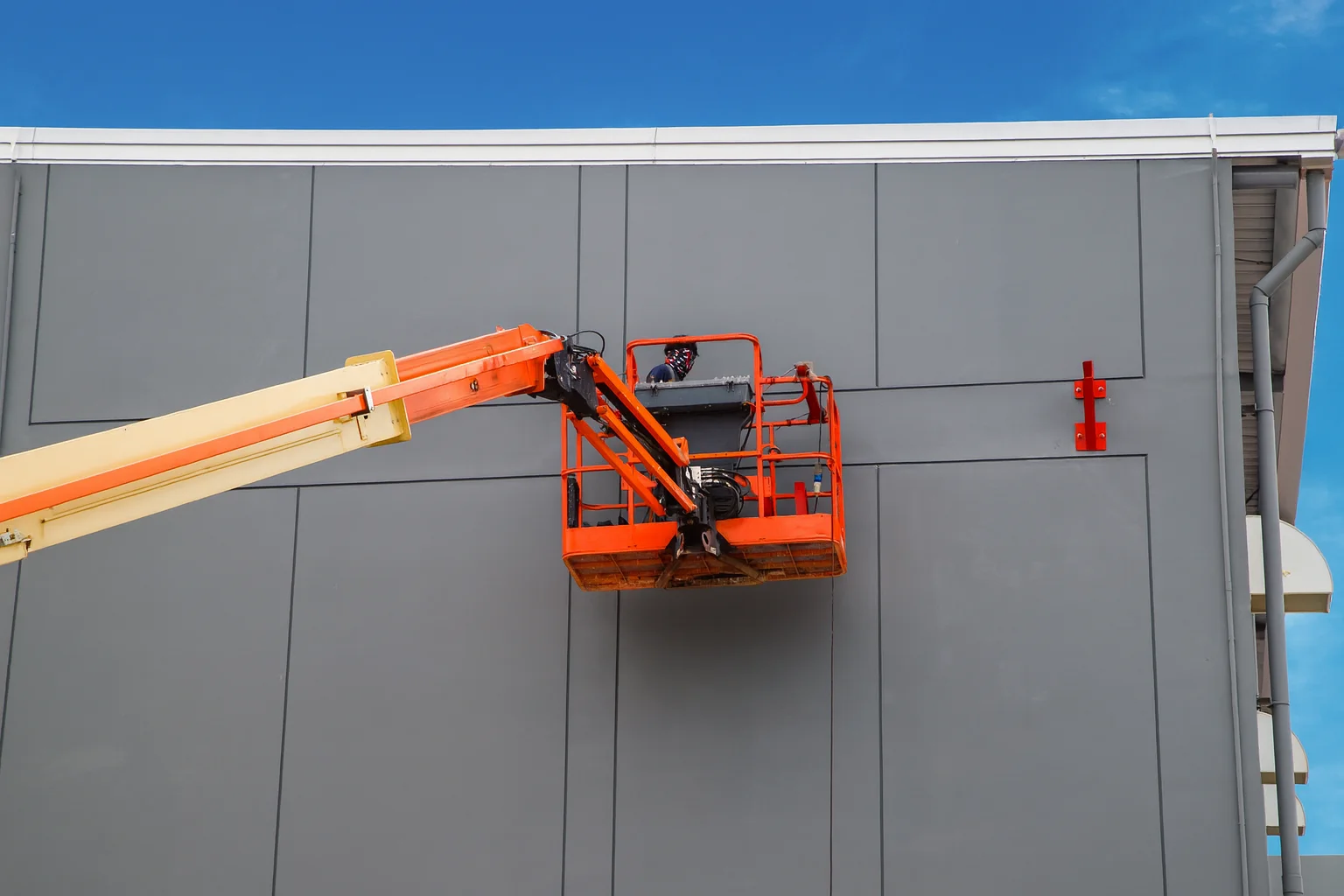
In one of our recent projects in Miami, we handled commercial painting for a multi-tenant office building in downtown Miami. The main challenge was keeping suites open during business hours while humidity spiked in the stairwells. We phased corridors by floor, used low-VOC acrylics, and ran night crews on lobby ceilings - about eleven working days for the interior scope. A separate retail client in Broward County needed exterior stucco sealed before hurricane season; we washed, repaired hairline cracks, applied elastomeric primer, then body coat over five days with lift access.
Those jobs share one thing: documented prep. Without it, even premium paint fails. We've seen situations where a previous vendor skipped metal primer on balcony railings; rust bled through in months. That is why property managers hire a commercial painter Miami teams like Triumph Painters instead of the lowest hourly rate.
Interior and Exterior Commercial Painting Are Not the Same
Interior commercial painting requires careful planning to avoid disrupting employees, tenants, or customers. Low-VOC paints, proper surface preparation, and efficient scheduling all play a role in keeping operations running smoothly.
Exterior commercial painting, on the other hand, focuses on durability and weather resistance. Professional painting contractors in Miami select paints and coatings designed to handle heat, humidity, and sudden storms while maintaining a clean, professional look. See our full range of commercial painting services in Miami for how we scope both sides of a building.
What Can Go Wrong on Commercial Paint Jobs
Humidity is the silent killer - coatings look dry while stucco underneath is not. Poor prep (no wash, no rust treatment on steel, painting over failed caulk) shows up as lawsuits and leak calls, not just ugly color. Wrong materials - interior flat on a storefront column, or mismatched primer and topcoat - fail warranties and fail in the field. Timing mistakes, like forcing an exterior during daily storms without contingency, burn budgets on rework.
In our experience, professional painters Miami facilities hire document moisture readings and product data sheets. If you are comparing bids, ask how each commercial painting company near me handles those four risk areas - not just who is cheapest per gallon.
Materials and Techniques We Rely On
One thing many facility managers overlook is manufacturer compatibility - primer and topcoat from mismatched lines can void warranties. We use commercial-grade acrylics, epoxy where floors demand chemical resistance, and rust-inhibitive systems on exposed steel. Pressure washing and moisture readings are standard on exteriors before coating.
Color matters for branding, but sheen matters for maintenance. Higher-traffic hallways often get satin or semi-gloss for washability; ceilings may stay flat to hide imperfections under LED lighting.
Industrial and Commercial Spaces Need Specialized Knowledge
Warehouses, factories, and distribution centers require a different approach than offices or retail spaces. Industrial painting in Miami often involves:
- High walls and ceilings
- Exposed structural elements
- Safety markings and color-coded zones
- Protective coatings for corrosion and wear
Professional industrial painters know how to work safely in these environments while minimizing downtime and protecting equipment. The same discipline applies when a commercial condo tower hires us for garage decks and stairwells.
Long-Term Value of Hiring Professional Commercial Painters
A properly executed commercial paint job improves more than just aesthetics. It can:
- Extend the life of building surfaces
- Improve safety and visibility
- Support compliance with inspections
- Reduce long-term maintenance costs
For businesses across Miami and South Florida, working with professional commercial painting contractors is an investment in the building's performance, not just its appearance. Homeowners comparing standards can look at our residential painting work - the prep philosophy is the same, the scheduling differs.
Budgeting and Timing in Miami
Commercial budgets should include contingencies for stucco repair, lift rental, and night differentials. Dry-season exteriors (see our seasonal timing guide) reduce weather delays; interiors can run year-round with planning. For residential-style pricing benchmarks, the 2026 Miami house painting cost article helps owners who also manage small mixed-use assets.
Working With Property Managers, HOAs, and Tenants
Commercial painting in Miami is as much coordination as chemistry. Property managers need daily schedules, tenant notices, and proof of insurance before work starts. HOAs may require color samples on actual stucco, not just fan decks. We've managed projects where parking lane closures had to be booked with the city - that lead time should be in the schedule, not discovered the week of painting.
Tenants notice odor and noise before they notice hue. Low-VOC systems, contained sanding, and labeled wet-paint areas reduce complaints. When retail tenants stay open, we sequence storefront pillars overnight and keep pedestrian paths marked. That operational discipline is what separates a professional commercial contractor from a crew that only knows how to roll walls.
Exterior Exposure on Commercial Facades
South-facing stucco absorbs heat and moves more than northern walls. Expansion joints and sealants should be inspected before paint - we often coordinate minor caulking with the paint scope instead of treating it as cosmetic. Coastal humidity means mildew stains must be killed, not painted over.
Where exterior painting techniques overlap with large residential buildings, the same wash-and-prime rules apply; scale and access equipment change. Professional painters Miami condo boards use for podium-level work expect that level of documentation on bids.
Safety, Insurance, and Compliance on Site
Commercial sites require safety plans - fall protection on lifts, marked wet floors in lobbies, and SDS sheets for coatings stored on property. Triumph Painters carries liability and workers' compensation coverage appropriate for commercial work. That protects your asset if an incident occurs; uninsured bids are a risk transfer you do not want.
Ask any bidder for proof of insurance and reference photos of similar buildings. A professional commercial painter in Miami should answer those requests without hesitation - and explain how they handled humidity, salt, and occupied spaces on past jobs.
Maintenance After the Project
Professional painting does not end at final walkthrough. Annual washing on coastal exteriors, prompt touch-ups on impact areas, and documented colors for future repairs keep assets presentable between full repaints. We leave touch-up kits for some clients and note sheen and product codes in closeout documents - small details that matter when a tenant damages a lobby wall six months later.
Buildings that track paint condition alongside roof and HVAC inspections avoid emergency scopes. That is especially true in Miami humidity, where small cracks become water paths quickly. A maintenance log with paint dates, products used, and elevation photos is cheap insurance for asset managers.
Need help with your project? Explore our commercial painting services or request a free quote.
Frequently asked questions
How often should a commercial building in Miami be repainted?
Exteriors in full sun often need attention every 5-8 years; high-traffic interiors may need refreshes every 3-5 years. Coastal properties and restaurants with grease exposure can cycle faster. A maintenance walkthrough each spring helps avoid emergency scopes.
What is the difference between commercial and residential paint systems?
Commercial jobs emphasize durability, VOC compliance, and schedule - think epoxy floors, intumescent coatings, or fast-return acrylics for occupied offices. Residential work focuses on aesthetics and lifestyle disruption. In Miami humidity, both need proper prep, but specs differ.
Can painting be done while tenants are in the building?
Yes, with phased schedules, low-odor products, and night or weekend crews. We section floors and ventilate work areas. Communication with property managers is as important as the paint spec.
Why hire a licensed commercial painter instead of a handyman?
Insurance, OSHA-aware crews, and manufacturer warranties matter on commercial assets. Failed adhesion on a stucco facade or rusted steel canopy costs more to fix than the original bid savings.
Does salt air require special coatings on storefronts?
Coastal storefronts in Miami benefit from mildew-resistant primers and regular washing. Metal awnings and railings may need rust-inhibitive primers before topcoats.
Need this done on your building?
We walk the property, note the repairs, and put every prep step on the estimate in writing - so you can compare line items, not just totals.
Request a free estimateOr call (305) 380-3081.
Related articles
- Best Time to Paint a House in Florida (Miami & South Florida Guide)
- How Much Does House Painting Cost in Miami in 2026?
Triumph Painters serves Miami, Fort Lauderdale, and South Florida with residential, commercial, exterior, and industrial painting. Browse all posts on our blog.