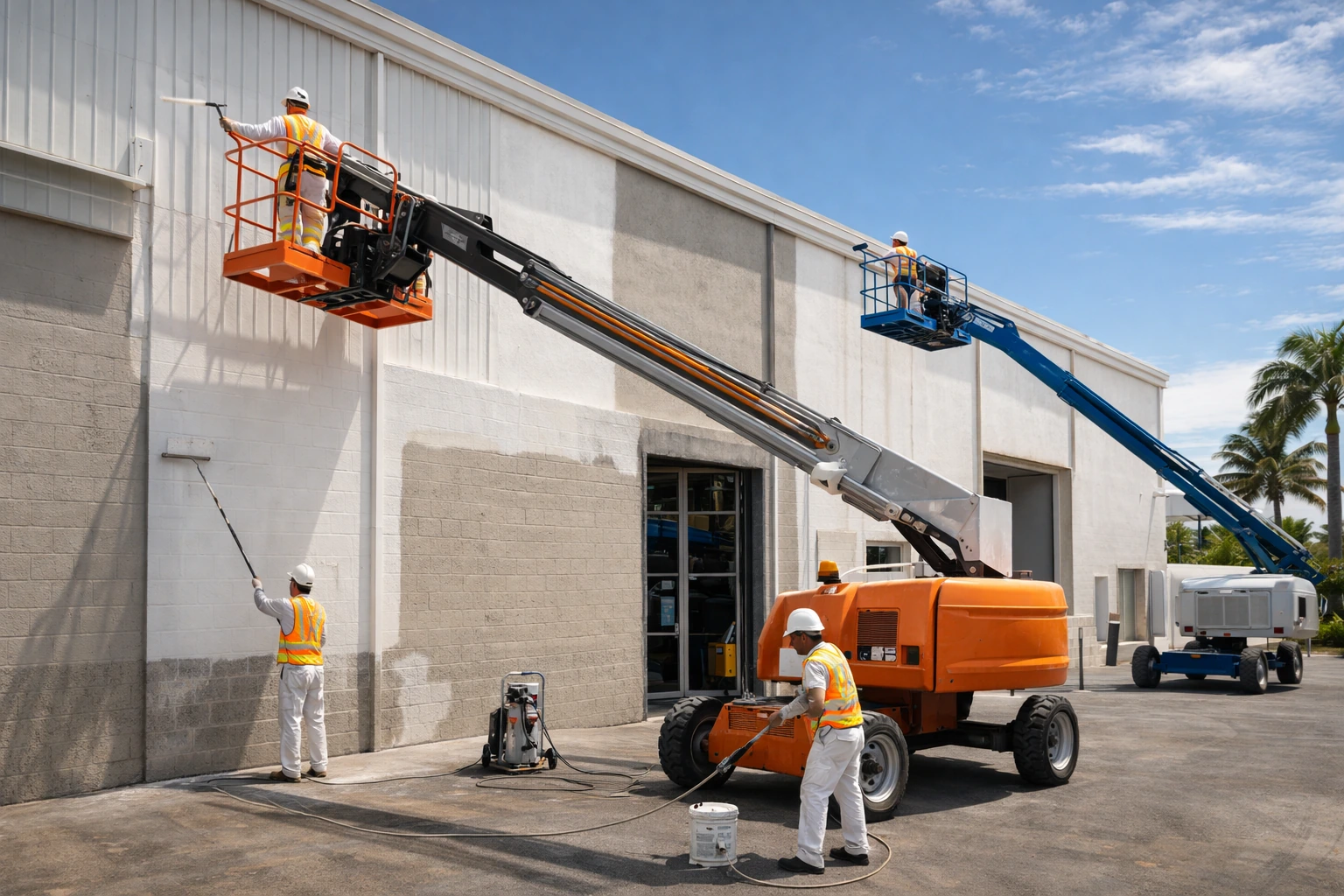
INDUSTRIAL PAINTERS IN MIAMI FOR WAREHOUSES AND FACILITIES
Warehouse and plant floors take abuse a standard interior coating was never built for - forklift traffic, chemical spills, constant humidity from open bay doors near the coast. Industrial jobs also usually mean planning around equipment that can't simply be moved out of the way. As experts in industrial painting in Miami, Triumph Painters works through those constraints with you before the first coat goes on. We can take care of things like:
- Painting of commercial and industrial buildings
- Scheduled maintenance painting
- Drop-deck ceiling painting
- Specialty coating application
- Epoxy floor installation & repair
If you are a facilities manager or are in charge of a commercial painting project, talk to us about how we can upgrade your commercial space with a professional paint job while minimizing its downtime.
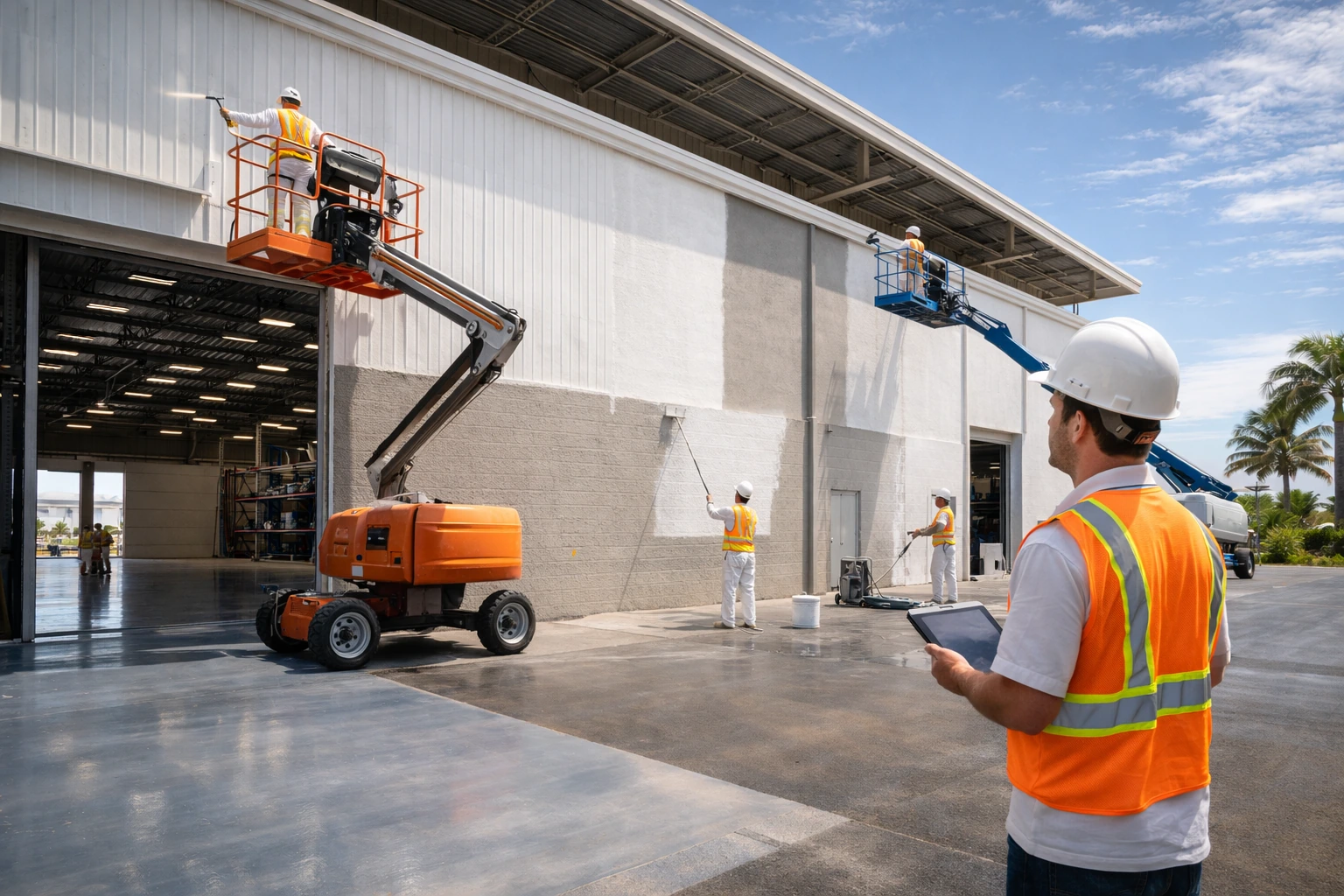
Coating Selection: How We Decide
A warehouse floor under constant forklift traffic needs a different coating than a factory wall that just needs to resist humidity and the occasional wash-down. We typically move to epoxy or urethane systems for surfaces under abrasion, chemical exposure, or heavy equipment traffic, and reserve the higher cost of specialty fireproofing or insulative coatings for areas where code or equipment proximity actually calls for it - not as a blanket upsell across the whole facility.
Maintenance painting on stair rails, garage columns, and structural steel is worth doing on a schedule rather than waiting for visible failure - catching rust and chalking early is considerably cheaper than addressing corrosion damage after moisture has gotten underneath the coating.
WAREHOUSE & INDUSTRIAL PAINTING IN MIAMI
Warehouse and industrial painting projects across Miami-Dade and Broward come with the same short list of constraints every time: forklift and pallet-jack traffic that wears through a standard coating fast, open bay doors that let in humidity and salt air, and equipment that has to stay in place while we work around it. Triumph Painters specializes in the building types below, from small distribution centers to full production plants.
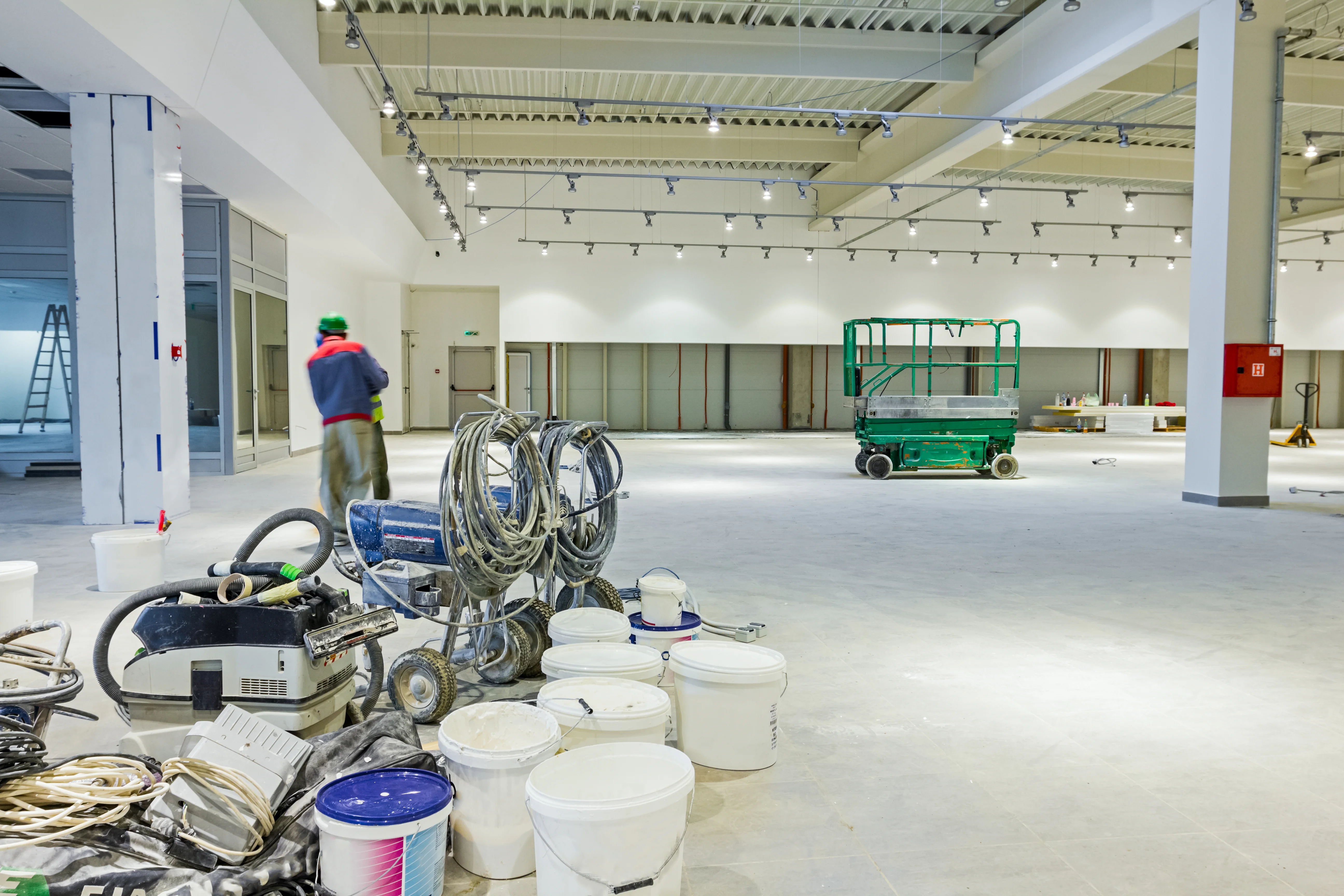
Warehouses
Guard Against Inside Hazards and Outside Elements
Warehouses are large buildings where the interior walls, exterior walls, ceiling, and floor are often made of different materials, so you have to use the right types and colours of paints to get long-lasting work that stands up to the elements, protecting the products and equipment inside the warehouse. You also have to consider interior colour schemes that highlight safety hazards and improve visibility.
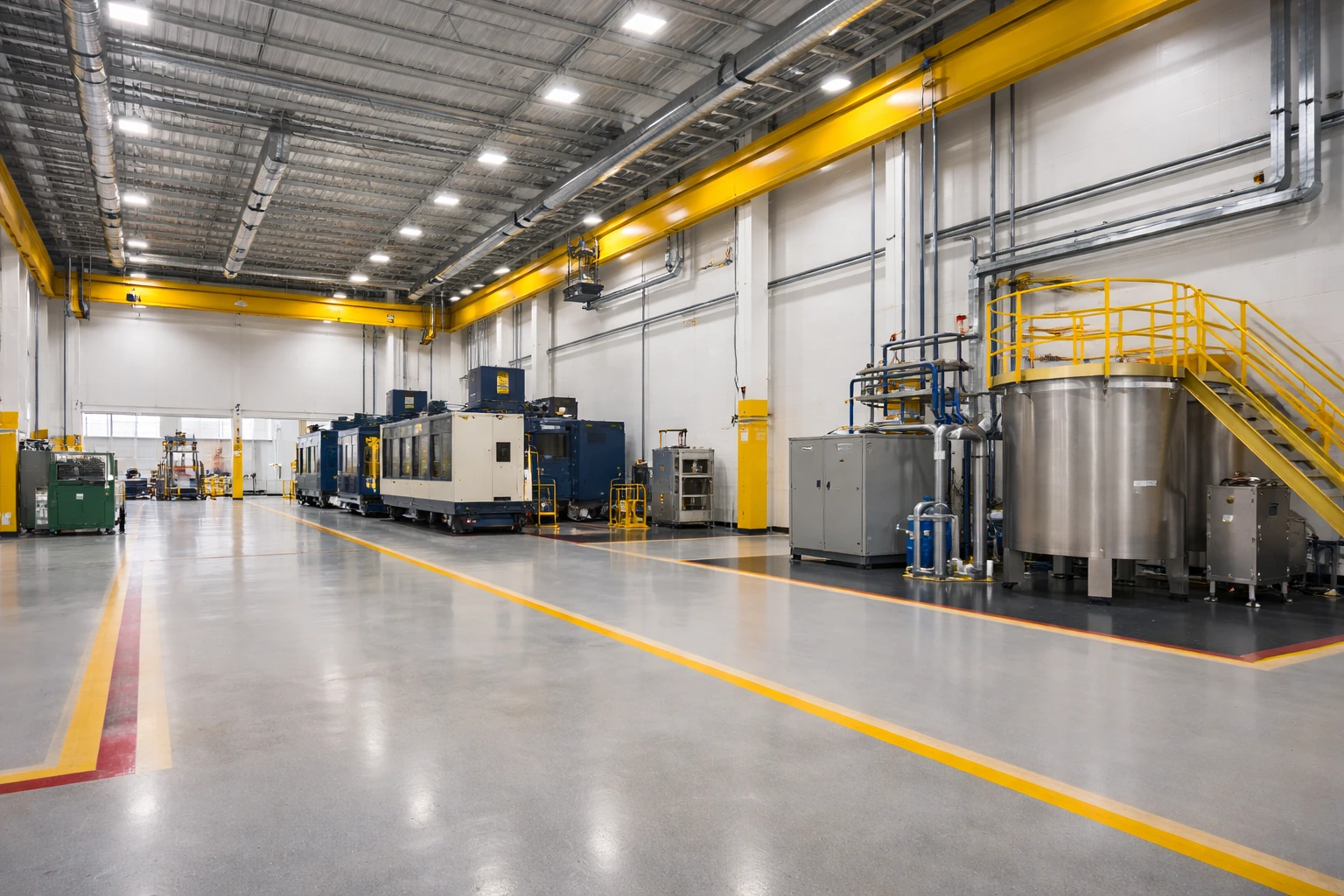
Factories
Keep Employees and Equipment Safe and Functional
Factories need to be painted with the right types of paint to resist mold, rust, corrosion, and other potential health hazards. Additionally, the right colours of paint can improve visibility for safety, boost worker morale, and show off your factory's branding on public tours. Getting a professional, long-lasting paint job helps keep your factory compliant with inspections, and can even limit the amount of maintenance your equipment needs.
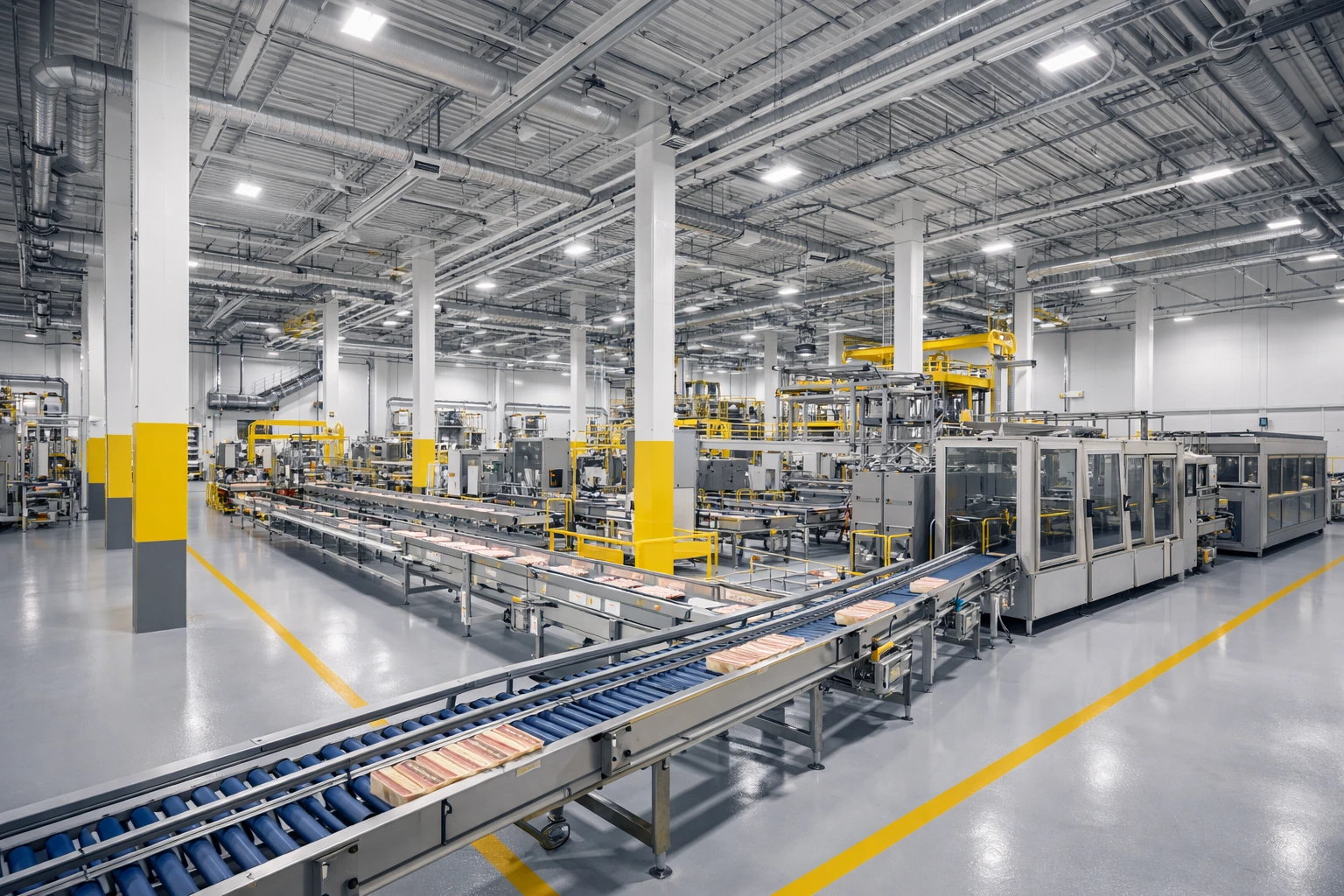
Production Plants
Protect Your Machines and Minimize Downtime
Like factories, manufacturing plants can reap several benefits if they are painted properly. These include resistance to fire, heat, corrosion, and contaminants, greater energy efficiency by reducing the need for cooling systems, and a more attractive company image. Let professional industrial painters do the job to minimize disruptions and downtime on the production line.
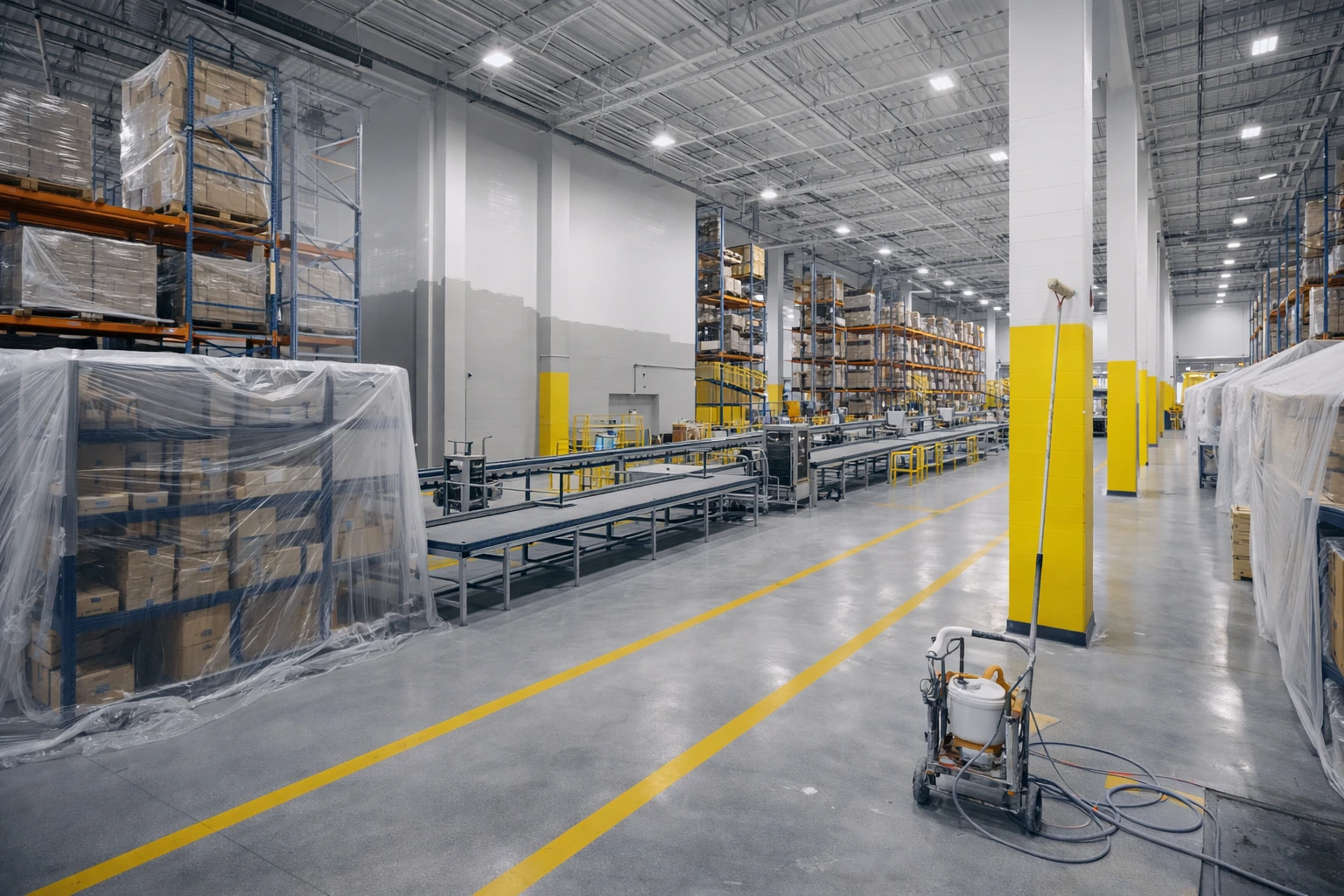
Distribution Centres
Help Maximize Order Fulfillment Efficiency
Distribution centres are hybrids of warehouses and factories: they are used for not only storing goods, but also processing them so they make it to the right customers intact and on time. So getting a professional paint job in a distribution centre helps with many of the same things the other two types of buildings need: keeping workers safe and productive, resisting weather and safety hazards, and keeping advanced machinery functioning longer.
WE CAN HELP WITH SPECIALTY INDUSTRIAL NEEDS
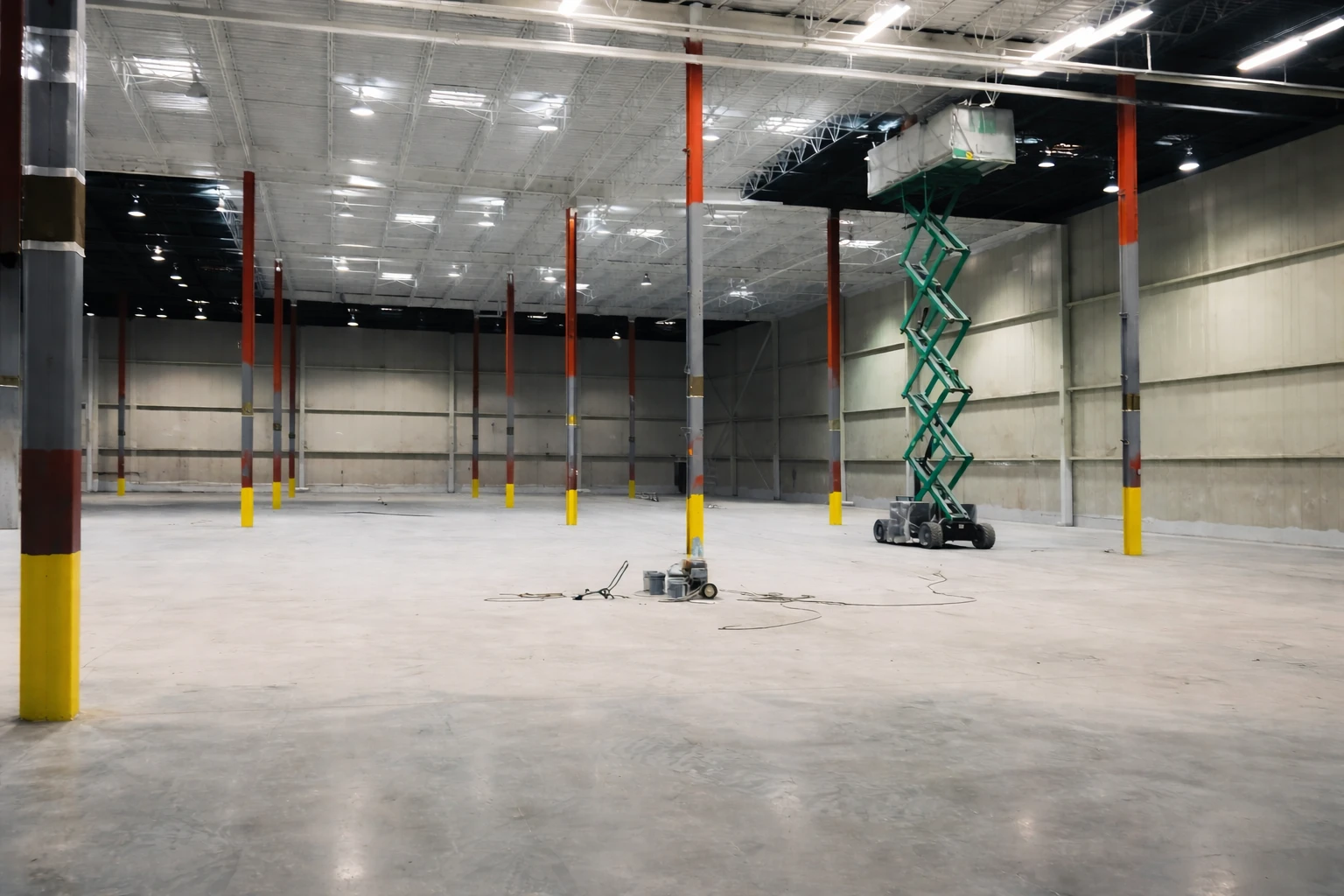
Maintenance Schedules
Use a Trustworthy Company for Repeat Work on a Schedule
Even the best industrial paint job has to be refreshed from time to time. If it is not, it cannot provide as much protection for your workers, equipment, and other items inside the building. It also reflects badly on your brand and can drain your workers motivation. A professional industrial painting contractor can help you set up a schedule to do maintenance painting and keep your building in top shape.
Drop-Deck Ceiling Painting
For Large Commercial Spaces
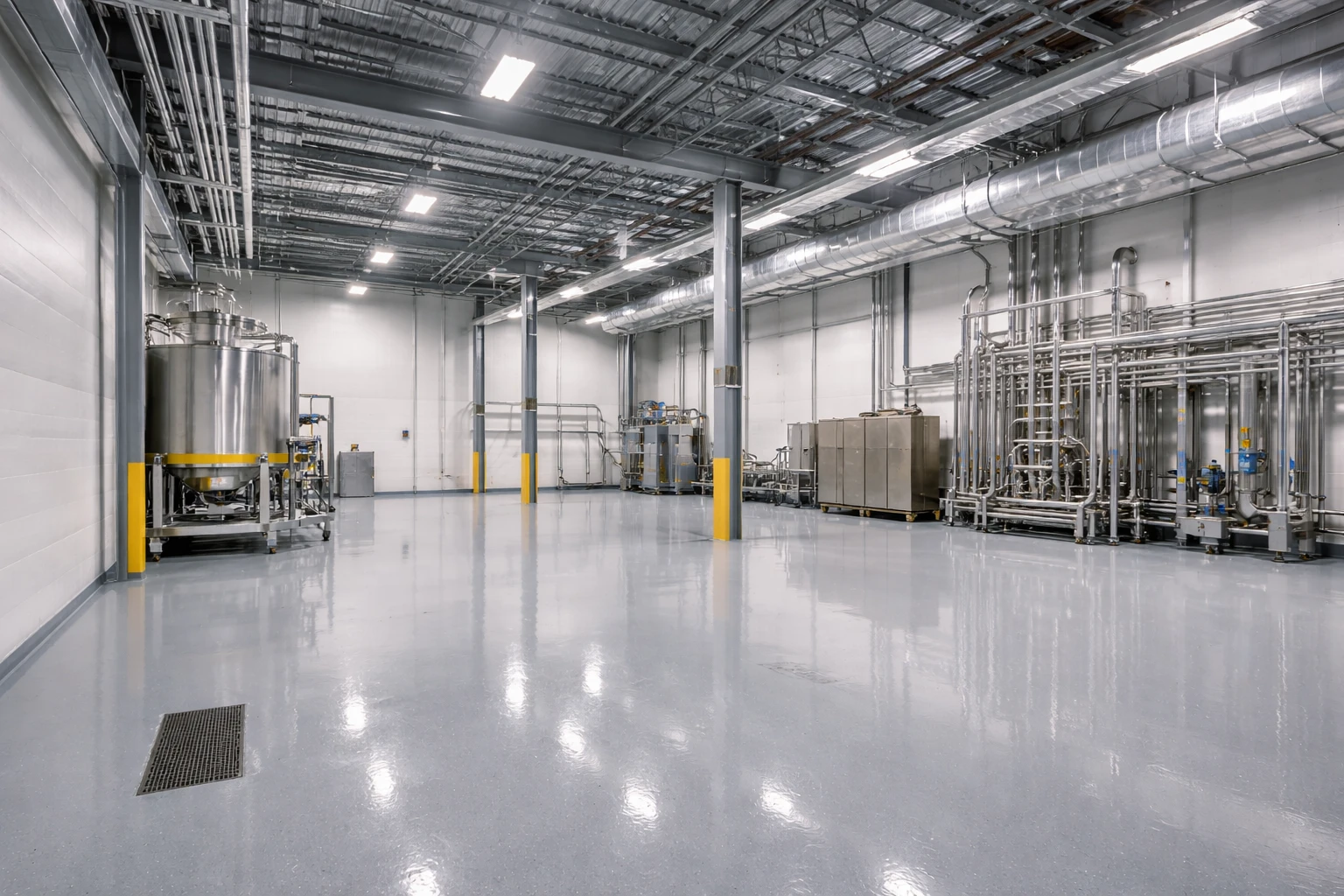
Large industrial and commercial buildings can have metal deck ceilings that leave exposed the underlying supports, light fixtures, HVAC ductwork, and so on. Not only is it difficult to reach these high ceilings without a lift, but it can also be challenging to maneuver around all the exposed parts to paint all the nooks and crannies. Let the professionals at Triumph Painters paint these roofs safely and thoroughly for you.
Speciality Coatings
When You Need Something Custom for your Space
Industrial companies work with various equipment, materials, and substances that can present unique safety hazards. Knowing this, Triumph Painters can paint your building and equipment with specialty coatings to meet your needs. If you need insulant coatings to protect against fire and heat, membranes or elastomeric paint for waterproofing, or surfaces like epoxy to prevent corrosion and the buildup of other contaminants, we have you covered.
HOW TO CHOOSE THE RIGHT INDUSTRIAL PAINTERS IN MIAMI
Insured, Well-Reviewed, & Accredited in the Industry
Industrial sites carry more ways for something to go wrong than a typical commercial job - lifts at height, coatings near active machinery, confined spaces with limited ventilation. Ask to see completed projects of similar scale and confirm the contractor's insurance actually covers work in that kind of environment, not just a general commercial policy.
Recommendations Specifically Suited to Industrial Spaces
A warehouse floor exposed to forklift traffic, a factory wall near constant moisture, and structural steel that needs rust protection all call for different coating chemistry, not the same paint in three colors. Good industrial painters ask what the surface is actually exposed to - chemicals, heat, humidity, abrasion - before recommending a system.
Clear & Honest Pricing Customized for Industrial Work
Specialty coatings, working around active equipment, and off-hours scheduling all move the price of an industrial job more than square footage alone. A contractor should walk your specific building, account for what's inside it, and explain each cost driver rather than quoting a per-square-foot rate that ignores what the space is used for.
Have the Proper Tools For Industrial Work Areas
Drop-deck ceilings, exposed structural steel, and equipment that can't be moved all require lifts, scaffolding, and sprayers rated for the job, along with respirators and ventilation planning for enclosed spaces. A contractor who can't describe the specific equipment your building requires likely hasn't assessed it closely enough yet.
WHY CHOOSE TRIUMPH PAINTERS FOR INDUSTRIAL PAINTING?
Insured & Fully Licensed
Lift work, coatings near active machinery, and confined-space ventilation all carry more risk than a standard interior repaint. Our industrial team is fully licensed and carries liability coverage sized for that risk, with documentation available before work starts.
Expert Industrial Painting Contractors
A production line that stops for a paint job is a production line losing money. We phase interior and exterior work around your operating schedule and can run crews on weekends or overnight so equipment stays in use during the hours that matter most to you.
Fair Painting Prices Specifically for Industrial
Specialty coatings for fire, chemical, or corrosion resistance cost more than standard paint for a reason - and we'll explain that reason rather than just listing a number. You'll know what's driving the price before you approve the job, not after.
Stellar Industrial & Commercial Resume
We have spent over 12 years doing all sorts of painting jobs throughout the greater Miami area, building up both our skills and our reputation for quality commercial work. That is why when major facilities like Florida International University and Miami-Dade College needed renovations, we were trusted enough to get the call!
Areas We Serve
Based in Sunny Isles Beach, we serve the full span of Miami-Dade and Broward counties - from Fort Lauderdale and Hollywood in the north through Aventura and Miami, down to Richmond Heights, South Miami Heights and Cutler Bay in south Miami-Dade.
WHAT IS INVOLVED IN THE INDUSTRIAL PAINTING PROCESS?
There are typically 7 stages to painting industrial spaces:
Consult with Your Painters
The industrial painting process is typically more complex than residential or other commercial painting. You have to think ahead regarding how to paint the building exterior, as well as what you will paint on the building interior and how you will do that. For example, if the building has machinery in it, will you be painting it directly or just painting around it? Discuss with the painting contractors you hire how to paint efficiently while minimizing disruptions to your work.
Do Thorough Prep Work
Industrial painting can be risky because of the heights, hazardous substances, and dangerous machinery that can be involved. So making sure the work area is safe first is paramount. That includes ensuring painters have proper ventilation and protective equipment while they are working. It also includes (if possible) moving things to be painted away from areas where they are difficult to work on, or from objects that could hamper paint drying or cause other dangers.
Clean and Repair Surfaces
You should always clean and prep surfaces you plan on painting, and that is especially important when painting in industrial settings. Use pressure-washers, sanders, scrapers, sponges, detergent, cloths, and anything else you need to clear away grease, dirt, mold, old paint, and other debris. This gets rid of the contaminants you are trying to protect against in the first place, and it also makes paint stick better (and machines run smoother).
Cover Areas You Will Not Paint
Use painters tape or masking tape to cover surfaces and objects where you do not want paint to splatter. You can also use paper, plastic coverings, towels, and bedsheets to cover larger areas. If you will be spray painting, remember to cover the surrounding area completely, as you will not have as much control over where the paint ends up.
Prime Where You Will Paint
After readying any necessary safety equipment, apply a coat of primer to the surfaces you will be painting. This will help the paint stick better, which results in a paint job that lasts longer and better protects the surfaces it is coating. Remember that you may have to match types of primer to the materials your surfaces are made out of for best results. Also remember to give the primer enough time to dry.
Apply the Actual Paint Coats
Now you have to actually paint the surfaces you have primed. You can spray-paint larger surfaces where you want a more even finish, or where you cannot otherwise reach safely. Meanwhile, you can use paintbrushes and rollers for small spaces with intricate surfaces, or to touch up areas a sprayer missed. Your painters may also suggest variations on and alternatives to these techniques.
Let Paint Dry and Clean Up
You will need to let the surfaces you painted - especially any machinery - dry. Depending on the size of the surfaces and the kind of paint you used, this may take several days. You may not be able to use painted machinery or equipment during this time, which is why you should plan ahead and paint when you are not going to need it that often. Once an area is dry, remove the tape and other protective coverings from around the area.
INDUSTRIAL SPACE PAINTING FAQS
What is the typical cost to paint industrial spaces in Miami?
The cost to paint industrial spaces in Miami can vary significantly depending on several factors, including the size of the building, the type of surfaces being painted, the complexity of the project, the materials needed, and whether the work needs to be done during off-hours to minimize business disruption. Industrial painting projects typically range from several thousand dollars for smaller facilities to tens of thousands or more for large warehouses and manufacturing plants. At Triumph Painters, we provide detailed, transparent quotes that break down all costs so you know exactly what you're paying for and why.
Are Triumph Painters insured for industrial painting jobs?
Yes, absolutely. Triumph Painters is fully licensed and carries comprehensive liability insurance for all industrial painting projects. Industrial painting involves working in environments with potential hazards like heights, heavy machinery, and various safety risks, so having proper insurance coverage is essential. Our insurance protects both our team and your business in the unlikely event of an accident or damage during the painting process. We can provide proof of insurance upon request.
What is industrial painting exactly and what does it entail?
Industrial painting is the process of painting large-scale commercial and industrial facilities such as warehouses, factories, manufacturing plants, distribution centers, and other industrial buildings. It involves painting both interior and exterior surfaces, often at significant heights, and requires specialized equipment like lifts and scaffolding. Industrial painting goes beyond aesthetics - it's about protecting structures from corrosion, fire, chemicals, and environmental damage while also improving safety through proper color coding and visibility markings. The process includes thorough surface preparation, priming, applying protective coatings, and ensuring compliance with safety regulations.
Are there different approaches or industrial painting methods?
Yes, there are several different approaches to industrial painting depending on the specific needs of your facility. Common methods include spray painting for large, flat surfaces where speed and even coverage are priorities; brush and roller painting for detailed work, tight spaces, or areas requiring precision; and specialty coating applications for surfaces that need protection against specific hazards like fire, chemicals, or extreme temperatures. The approach also depends on whether you're painting around or directly on machinery, the height and accessibility of surfaces, and whether the work needs to be done during off-hours to avoid disrupting operations. Our team will assess your facility and recommend the best approach for your specific situation.
How long does industrial building painting typically take?
The duration of an industrial painting project depends on several factors, including the size of the facility, the scope of work (interior, exterior, or both), the complexity of the surfaces, weather conditions (for exterior work), and whether work needs to be scheduled around your operations. A small warehouse might take a few days to a week, while a large manufacturing plant could take several weeks or even months. We work with you to create a timeline that minimizes disruption to your business operations, and we can often schedule work during off-hours, weekends, or in phases to keep your facility operational throughout the painting process.
How do I prepare my industrial space for painting?
Preparing your industrial space for painting involves several steps. First, clear or move any equipment, machinery, or materials away from areas that will be painted, or isolate them with protective coverings. Remove items from walls and ceilings that could interfere with painting. Ensure proper ventilation in enclosed spaces, and make sure painters have access to all areas that need to be painted. If you have specific safety requirements or operational constraints, communicate these to your painting contractor ahead of time. While we handle most of the detailed preparation work (cleaning, sanding, priming, etc.), coordinating access and scheduling around your operations will help ensure a smooth painting process.
What tools are needed for industrial painting?
Industrial painting requires specialized tools and equipment that most businesses don't have on hand. This includes aerial lifts, scaffolding, and boom lifts for reaching high ceilings and tall walls; professional-grade spray painting equipment for large surface areas; pressure washers and sanders for surface preparation; and various brushes, rollers, and specialty tools for detailed work. Additionally, industrial painters need proper safety equipment including harnesses, respirators, and protective gear. At Triumph Painters, we come fully equipped with all the necessary tools and equipment to safely and efficiently complete your industrial painting project, so you don't need to worry about providing or renting any equipment.
Can I not just DIY my industrial painting job?
While it's technically possible to attempt a DIY industrial painting job, it's strongly discouraged for several important reasons. Industrial painting involves working at dangerous heights, handling potentially hazardous materials, and requires specialized equipment that's expensive to rent or purchase. Without proper training and experience, DIY attempts can result in safety hazards, poor-quality work that doesn't last, damage to equipment or structures, and potential liability issues. Professional industrial painters have the expertise to choose the right paints and coatings for your specific environment, the equipment to work safely at heights, and the knowledge to ensure the job is done correctly and efficiently. The cost of hiring professionals is typically offset by the quality, durability, and safety of the finished work.
Related Reading
For more on commercial and industrial painting in South Florida, see our blog.