Painters Near Me in South Miami Heights, FL
South Miami Heights is a mixed-tenure community, and that shapes the painting work more than the weather does. Alongside single-family houses there are duplexes, townhome rows, and small apartment communities, which means a large share of what we do here is turnover work for landlords and phased repaints for modest-sized associations - not one-off jobs for owner-occupiers. The commercial side runs along US-1 and the Busway, where the tenants change but the buildings stay.
We handle residential painting, condo and HOA painting, interior painting, and commercial painting across South Miami Heights, from single units to whole communities.
South Miami Heights Areas We Serve
We also paint nearby: Sunny Isles Beach, Fort Lauderdale and Richmond Heights.
Homes & Buildings We Paint in South Miami Heights
Rental Units & Duplexes
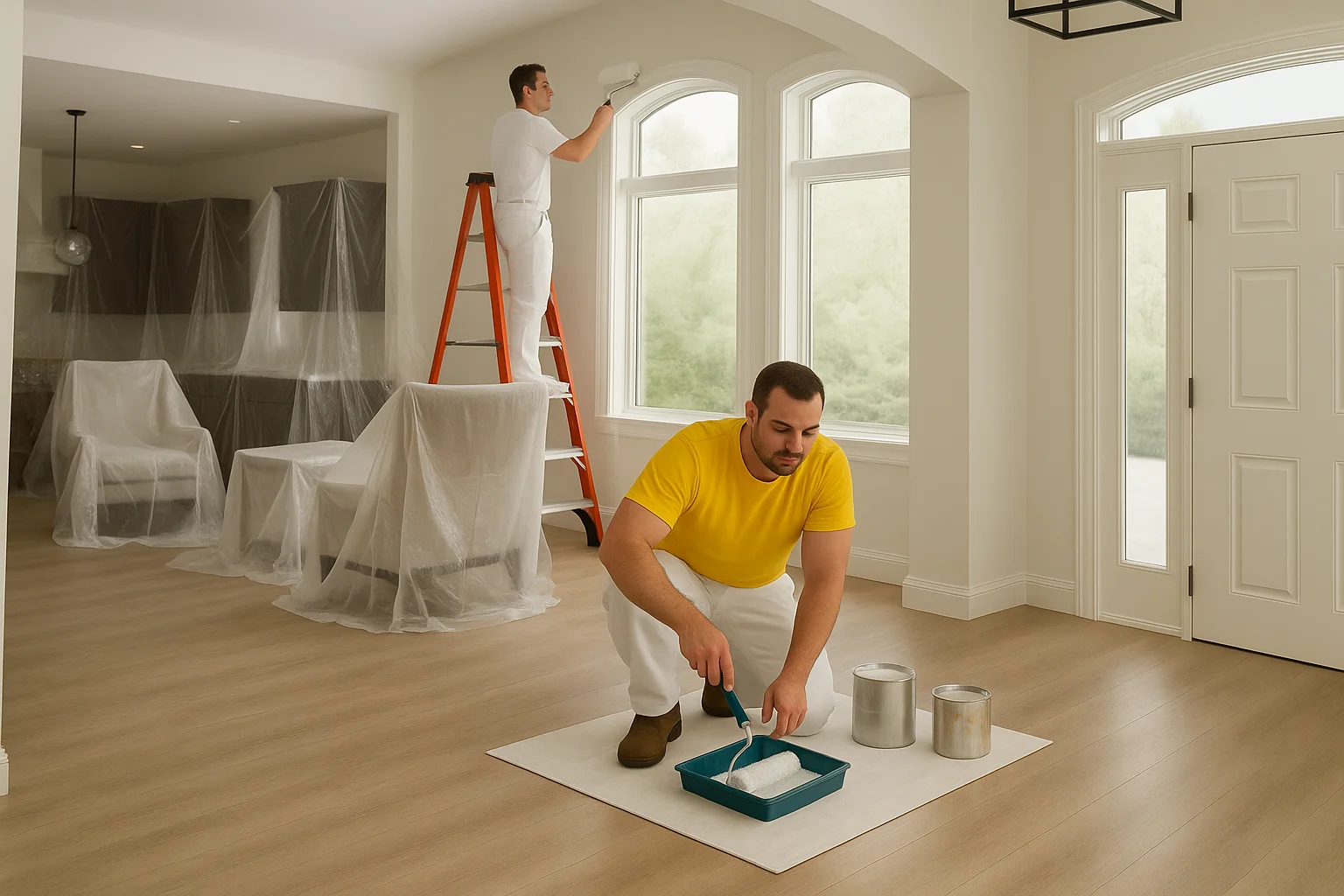
Turnover painting between tenants, scheduled against lease end dates rather than our own calendar. Walls, ceilings, trim, and doors in one or two days on a standard unit, with staining sealed rather than painted over.
Townhome & Small HOA Communities
Phased community repaints - building by building, with parking and walkways kept open. Board colour approval and a certificate of insurance naming the association, without the swing-stage logistics of a high-rise.
Single-Family Block Homes
Owner-occupied concrete block and stucco houses, many built between the 1960s and 1980s, plus the sections rebuilt across south Miami-Dade after Hurricane Andrew.
Corridor Retail & Light Industrial
Strip retail, multi-tenant offices, service and auto businesses, and light industrial space along US-1 and the Busway, repainted on evening or weekend phases so tenants keep trading.
Why Buildings Here Fail Differently From the Coast
Full sun on unshaded elevations - much of the newer housing here sits on open lots without the mature canopy found a mile north, so south and west walls take the full afternoon load. Those elevations fade and chalk years before the rest of the building does.
Wet-season moisture in block walls - daily afternoon storms leave concrete block holding water long after surfaces look dry. Coating a wall that has not released that moisture is the most common reason an inland repaint blisters within a year.
Traffic film on corridor buildings - roadside elevations along US-1 collect exhaust grime and road dust that a quick rinse will not shift. Without a proper wash the new coat bonds unevenly and shows it within a season.
Shared-wall wear on multi-family - stairwells, breezeways, and entry doors in duplexes and apartment communities take constant hand and furniture contact. These need a scrubbable finish, not the same flat product used on a bedroom ceiling.
What We Commonly See During South Miami Heights Estimates
Walkthroughs here split by property type, but a few things come up again and again:
- Scuffing and hand-marking through breezeways, stairwells, and shared entries
- Nail holes, anchor damage, and patch work left behind by previous tenants
- Chalked, faded south and west elevations against still-sound shaded walls
- Traffic film and grime on the roadside face of corridor commercial buildings
- Mismatched touch-up patches where a unit was spot-repaired between tenants
- Rust staining on metal railings, stair stringers, and utility doors
On rental and multi-family work the question is rarely whether to paint but how much preparation the unit actually needs. We separate the two on the estimate so a landlord can see the cost of a clean turnover against the cost of undoing damage, and decide accordingly.
Turnover Painting for Landlords & Property Managers
An empty unit costs money every day it stays empty, so turnover painting is a scheduling problem as much as a painting one. We hold slots for owners and managers who share lease end dates ahead of time, and a standard two-bedroom - walls, ceilings, trim, doors - is generally a two to three day job from an empty unit.
- •Standing colour and sheen spec across a portfolio, so units stay consistent and touch-ups match
- •Smoke, water, and marker staining sealed with a blocking primer instead of coated over
- •Scrubbable finishes in kitchens, baths, and high-traffic hallways
- •Damage documented before we start, so it is billed as repair rather than buried in the paint line
Why We Do Not Quote Marine-Grade Here
South Miami Heights is well away from the ocean, and that changes the coating conversation. The constant salt exposure that forces marine-grade product on the barrier islands simply is not a factor here. What matters instead is UV on unshaded walls, wet-season moisture in block, and a finish tough enough for shared-wall traffic.
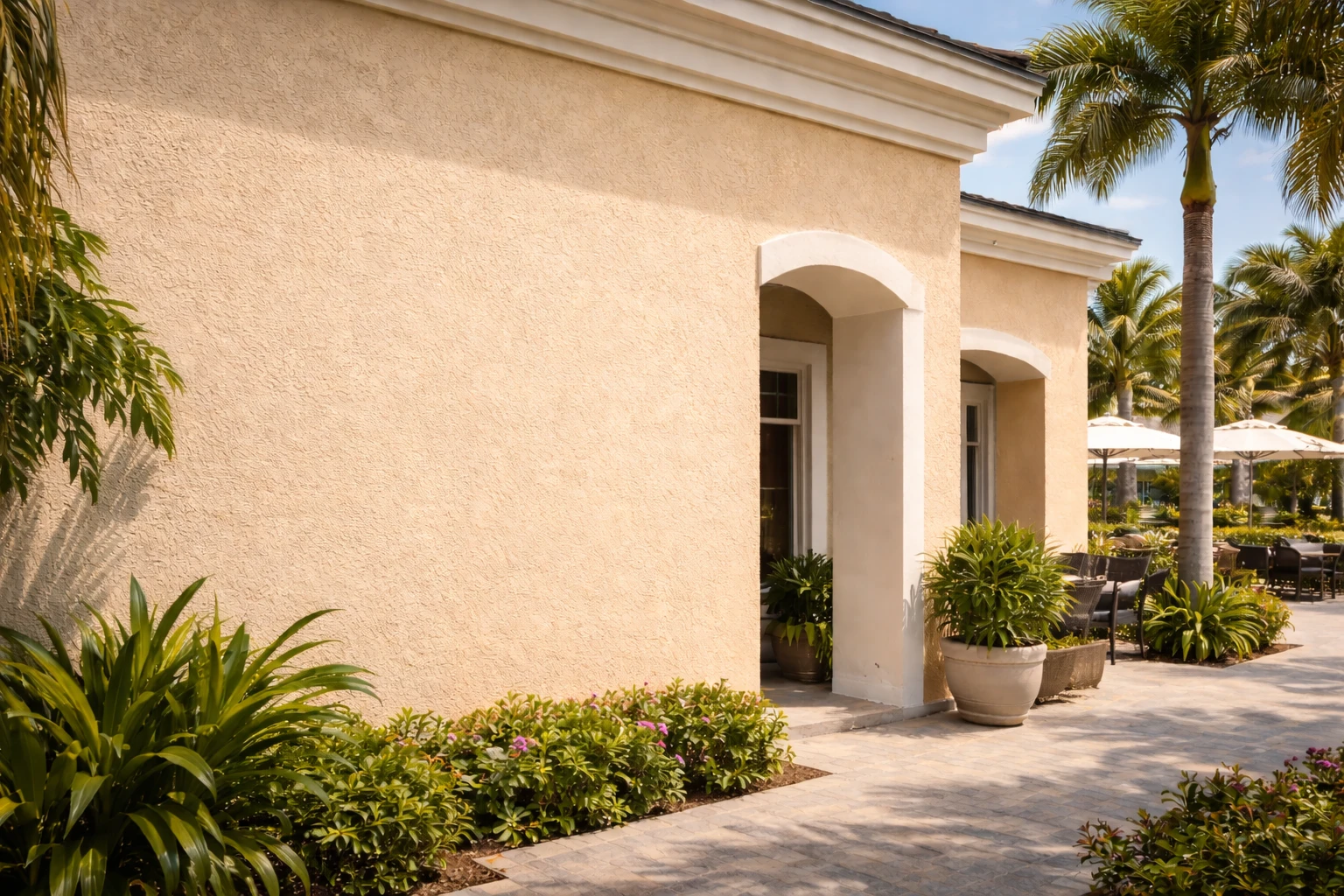
So we specify quality 100% acrylic exterior systems, bonding primer over chalked older coatings, proper patching compound in stucco cracks, and scrubbable interior finishes where people touch the walls. If a contractor quotes marine-grade coating for a building this far inland, ask what it is protecting against. See our exterior painting process for the full spec.
Best Time of Year to Paint in South Miami Heights
Exterior and community work goes best November through April, when lower humidity gives block walls a chance to dry between coats and afternoon storms are not resetting the schedule every day. Association repaints in particular are worth planning into the dry season, because a phased job across several buildings has far more weather exposure than a single house does. Interior and turnover work runs year-round and is unaffected. Our guide to the best time to paint in Florida covers the month-by-month detail.
What South Miami Heights Owners & Managers Ask Us For Most
- Rental turnover painting scheduled against lease end dates
- Phased townhome and small-HOA repaints with board colour approval handled
- Exterior repaints on 1960s to 1980s block houses with chalked coatings
- Storefront and tenant suite repaints along the US-1 and Busway corridor